
Table of Contents
- Understand the Main Types of Heat Pumps
- Assess Your Home’s Heating and Cooling Needs
- Heat Pump Sizing Guide: Calculate the Right Capacity
- Evaluate Energy Efficiency Ratings and Performance
- Cold Climate Heat Pump Efficiency: Regional Considerations
- Heat Pump Installation Rebates and Financial Incentives
- Select a Qualified Contractor and Plan Installation
- Compare Operating Costs and Long-Term ROI
Last Updated: August 29, 2026
Understand the Main Types of Heat Pumps
Heat pumps transfer heat rather than generating it, making them significantly more efficient than traditional furnaces. The three main categories, air-source, ground-source, and mini-split systems, each have distinct advantages depending on your climate, space, and budget.

Air-Source Heat Pumps
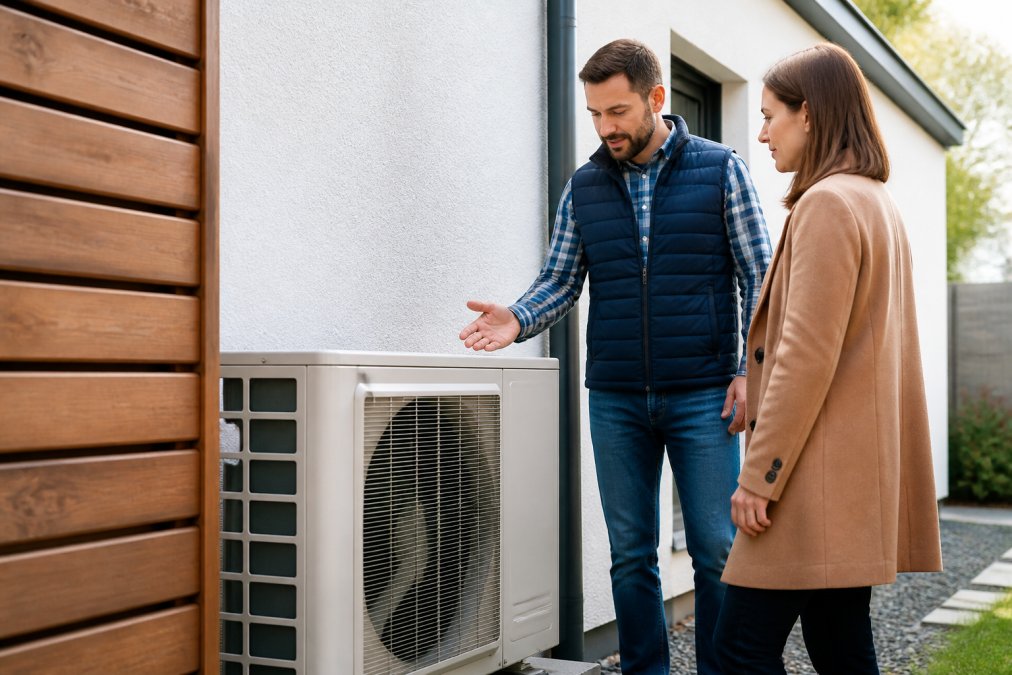
Air-source heat pumps extract warmth from outdoor air and transfer it indoors during heating season, then reverse the process for cooling. They’re the most common choice for residential properties because installation is straightforward and they work in most climates. Modern systems maintain reasonable efficiency even when temperatures drop below freezing.
These units come in two configurations: split systems (outdoor compressor with indoor air handler) and packaged systems (all components in one outdoor unit). For most homeowners, split systems offer better control and quieter operation. The outdoor unit contains the compressor and heat exchanger, while the indoor component distributes conditioned air through your existing ductwork.
Air-source systems work well in moderate climates but require auxiliary heating in very cold regions. When outdoor temperatures fall below the system’s effective range (typically around -15°C), a backup heating source kicks in automatically. This might be electric resistance heating built into the system or your existing furnace if you’re running a dual-fuel setup.
Ground-Source (Geothermal) Heat Pumps
Ground-source heat pumps extract heat from the earth where temperatures remain stable year-round. This makes them exceptionally efficient in cold climates because they’re not fighting the outdoor air temperature like air-source units do. The trade-off is higher installation cost due to the underground loop field required.
Two loop configurations exist: closed-loop systems (sealed piping circulates refrigerant underground) and open-loop systems (pump groundwater directly). Closed-loop is more common because it doesn’t depend on reliable groundwater access. The ground loop can be installed horizontally (requires significant yard space) or vertically (drilled deep into the earth, better for smaller lots).
Geothermal systems deliver superior heating performance in cold climates and offer the lowest operating costs of any heat pump type. They’re ideal for properties where you plan to stay long-term and can recoup the higher upfront investment through energy savings over 15-20 years.
Mini-Split Ductless Systems
Mini-split systems consist of an outdoor compressor connected to one or more indoor wall-mounted or ceiling-mounted air handlers. They’re the best choice when you can’t use ductwork or want zone-based temperature control. Each indoor unit operates independently, so you heat or cool only the rooms you’re using.
These systems are quieter than traditional split systems and offer superior dehumidification control. Installation is simpler because technicians only need to run refrigerant lines and electrical connections through small wall penetrations. This makes them popular for retrofits and additions.
The downside is higher per-unit cost if you need multiple indoor heads to condition your whole home. However, for specific zones or additions, mini-splits often deliver better value than extending ductwork.
Assess Your Home’s Heating and Cooling Needs
A unit that’s too small won’t reach your target temperature on extreme days. One that’s oversized cycles on and off too frequently, reducing efficiency and wearing components prematurely.
Start by reviewing your current heating and cooling bills. If you’ve been using a furnace and air conditioner, the total energy consumption tells you roughly how much capacity you need. Next, consider how your home performs: Is it well-insulated? Do you have air leaks around windows and doors? These factors directly affect how much capacity you need.
Document your comfort preferences and usage patterns. Do you heat or cool the whole house, or do you close off unused rooms? These patterns affect sizing calculations.
Heat Pump Sizing Guide: Calculate the Right Capacity
Proper sizing is critical to system performance. Capacity is measured in BTU (British thermal units) per hour, and you’ll also see HSPF2 and SEER2 efficiency ratings. A qualified contractor performs a load calculation using industry-standard methods that account for your home’s square footage, insulation levels, window type and orientation, air leakage, and local climate data.
The calculation determines the peak heating load (capacity needed on the coldest design day) and peak cooling load (capacity needed on the hottest design day). Capacity is often expressed in tonnage for cooling (12,000 BTU equals one ton). A typical home might need 2-5 tons of cooling capacity depending on size and climate.
Never rely on rules of thumb like "400 BTU per square foot." A proper load calculation takes 1-2 hours and costs between $300-$500, but it prevents costly oversizing or undersizing mistakes. When comparing quotes from different contractors, verify they’re all sizing the same capacity.
Evaluate Energy Efficiency Ratings and Performance
Heat pump efficiency is measured using HSPF2 (Heating Seasonal Performance Factor) for heating and SEER2 (Seasonal Energy Efficiency Ratio) for cooling. These ratings account for real-world operating conditions more accurately than older standards.
HSPF2 measures how many BTU of heat you get for every watt of electricity consumed over a full heating season. Modern air-source units typically range from 8 to 12 HSPF2 (energy.gov). Ground-source systems often exceed 12 HSPF2 because they operate in a more stable temperature environment. SEER2 works similarly for cooling, with typical ranges from 15 to 20+ for modern systems.
Variable-speed compressors and inverter technology improve efficiency by allowing the system to operate at partial capacity during mild weather instead of cycling on and off. When comparing units, look for systems with variable-speed compressors if your budget allows.
Energy Star certification indicates the system meets or exceeds minimum efficiency standards set by Natural Resources Canada. Certified systems typically cost slightly more upfront but deliver measurable savings over their operational life.
Cold Climate Heat Pump Efficiency: Regional Considerations
Heat pump performance varies significantly by region. In moderate climates, air-source systems operate efficiently year-round. In colder regions, performance degrades as outdoor temperatures drop, and auxiliary heating becomes necessary.
Modern cold-climate heat pumps maintain reasonable efficiency down to -15°C or lower, but performance still declines. Ground-source systems maintain consistent efficiency regardless of outdoor temperature because the earth temperature remains stable. This makes geothermal the superior choice for regions experiencing extended periods below -10°C.
Your region’s heating and cooling degree days determine the annual operating pattern. Research how local contractors handle cold-climate operation. Some pair air-source systems with existing furnaces for backup heating (dual-fuel systems). Others use electric resistance heating built into the indoor unit. Dual-fuel systems typically cost less to operate because the furnace runs on natural gas.
Ask contractors about performance data from similar systems in your climate zone. Local experience matters because contractors understand how regional climate affects equipment selection and operation.
Heat Pump Installation Rebates and Financial Incentives
The federal government offers rebates through the Canada Greener Homes Grant, which provides up to $5,000 for eligible heat pump installations. Provincial programs vary; British Columbia offers additional incentives through its CleanBC program for qualifying homeowners.
Utility companies sometimes offer rebates for installing high-efficiency systems. Contact your local utility to ask about current programs. Some provinces offer tax credits or deductions for energy-efficiency upgrades, separate from direct rebates.
When comparing contractor quotes, ask whether they handle rebate paperwork or if you’re responsible for applying. Clarify this before signing a contract.
Financing options are available through banks, credit unions, and some contractors. Green mortgages and energy-efficient home improvement loans sometimes offer favorable rates. The long operational lifespan of heat pumps (15-25 years) means financing over a reasonable term can make the monthly cost manageable.
Select a Qualified Contractor and Plan Installation
Choosing the right contractor is as important as selecting the equipment itself. A poorly installed system won’t deliver the efficiency or comfort you expect. Look for contractors with certifications from recognized trade organizations and experience installing the specific heat pump type you’re considering.

Verify that your contractor is licensed and insured. Ask to see proof of current licensing and liability insurance. Request references from recent customers and follow up with at least two.
Get multiple quotes, at least three, from different contractors. Compare not just price but the capacity they’re recommending, the equipment they’re specifying, and what’s included in the installation. A significantly lower quote may indicate the contractor is cutting corners on quality or sizing incorrectly.
Ask how the contractor handles the load calculation. If they size the system based on square footage alone without a detailed load calculation, find another contractor. Discuss the installation timeline and what happens if unexpected issues arise. Clarify the warranty coverage before signing.
At P3 MECHANICAL & ELECTRICAL, we handle every aspect of heat pump selection and installation for homeowners across Nanaimo and Vancouver Island. Our certified technicians perform detailed load calculations, explain your options clearly, and manage all rebate paperwork. We’ve worked with all major heat pump types in various climate conditions and understand how regional factors affect performance.
Compare Operating Costs and Long-Term ROI
The purchase and installation cost is only one part of the financial picture. Operating costs over 15-20 years often exceed the upfront investment, making efficiency ratings critically important.
Calculate your estimated annual operating cost by multiplying your current heating and cooling energy consumption by the efficiency improvement of the new system. If your current system costs $2,000 per year to operate and a proposed heat pump would reduce that by 30-40%, you’d save $600-$800 annually. Over 20 years, that’s $12,000-$16,000 in savings.
Compare this savings against the net cost after rebates and incentives. If the system costs $12,000 installed and you receive $5,000 in rebates, your net cost is $7,000. With $700 annual savings, you’d recover your investment in 10 years, then enjoy pure savings for the remaining operational life.
Ground-source systems have higher upfront costs but lower operating costs. The break-even point often comes later (12-15 years) but the long-term savings are substantially higher. Air-source systems cost less upfront and break even faster.
Factor in maintenance costs. Heat pumps require annual inspection and filter changes, typically costing $150-$300 per year. Budget these costs when calculating true operating expenses. Preventive maintenance programs reduce breakdown risk significantly.
Choosing a heat pump involves weighing equipment options, sizing accuracy, efficiency ratings, installation quality, and long-term costs. The best system for your home depends on your climate, home characteristics, budget, and long-term plans. P3 MECHANICAL & ELECTRICAL provides the expertise to guide you through each decision point, from load calculations to contractor selection to rebate management. Our certified technicians understand how regional climate conditions affect heat pump performance and can recommend systems that deliver reliable comfort and measurable energy savings for your specific situation. GET A QUOTE to discuss your heating and cooling needs with our team.
Frequently Asked Questions
What is the difference between air-source and ground-source heat pumps?
Air-source heat pumps extract warmth from outdoor air and work well in moderate climates, though efficiency drops in very cold temperatures. Ground-source (geothermal) heat pumps draw heat from stable underground temperatures and maintain consistent performance year-round, but require significant excavation and higher upfront installation costs. Air-source is more affordable and easier to retrofit into existing homes; ground-source offers superior efficiency if you have space and budget for installation.
How do I determine the correct heat pump size for my home?
Proper sizing depends on your home's square footage, insulation quality, climate zone, and heating/cooling load. A professional load calculation uses industry-standard methods to determine the BTU capacity you need. Oversizing wastes energy and money; undersizing leaves you uncomfortable. Most contractors use Manual J calculations or similar assessment tools. Get a professional heat pump sizing evaluation before purchasing to ensure optimal efficiency and comfort.
What should I look for in a heat pump's energy efficiency rating?
Check the HSPF2 (Heating Seasonal Performance Factor) and SEER2 (Seasonal Energy Efficiency Ratio) ratings. Higher numbers indicate better efficiency and lower operating costs. Look for Energy Star certified models, which meet strict efficiency standards. HSPF2 ratings of 8 or higher and SEER2 ratings of 16 or higher are considered excellent. These ratings help predict your long-term energy savings and environmental impact.
Are there government rebates available for heat pump installations?
Yes. The federal government offers rebates through the Canada Greener Homes Grant program for eligible homeowners upgrading to heat pump systems. Many provinces and municipalities also provide additional incentives. Rebate amounts and eligibility vary by location and system type. Contact your local utility provider or visit the Government of Canada website to confirm current programs in your area. A qualified contractor can help identify rebates you qualify for.
This article was written using GrandRanker