
Heating & Cooling for Cameron Lake Properties
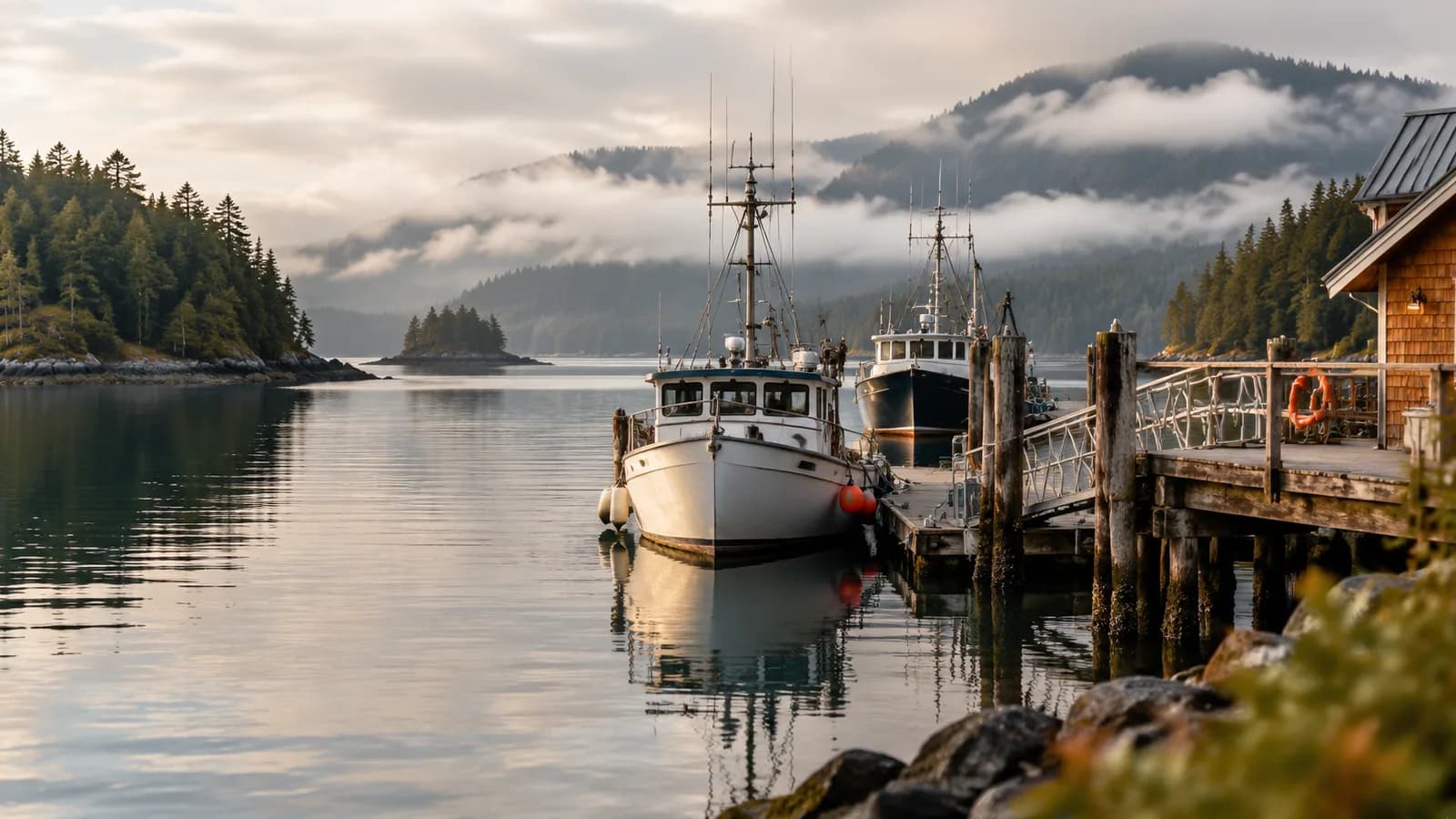
P3 Mechanical & Electrical works the Cameron Lake corridor on Highway 4 — the lakefront cabins, the forested acreages toward Cathedral Grove, and the year-round houses along the road between Coombs and the Alberni summit. This is inland ground rather than coast: colder nights, real snow in some winters, hot still afternoons in July, and no municipal water, sewer, or city hall to fall back on. Heating out here is electric, propane, or wood, and frequently all three in the same building.
Something's not working right now?
Start here. Each one goes to the crew that handles it, and carries the one thing worth checking before we arrive.
- The furnace or heat pump won't startCheck the power switch that looks like an ordinary light switch, near the unit or at the top of the basement stairs.
- No hot water, or water where it shouldn't beShut the water off at the main if you can reach it, and stay clear of any leak near wiring or a panel.
- The house won't cool, or the air is staleCheck the filter first: a clogged one chokes airflow long before the equipment itself fails.
Not sure which one it is? Describe it on the phone and we'll work it out: +1-250-824-7363
Cabins, acreages, and part-time occupancy
A good share of the buildings along this stretch were built as summer places and then insulated, wired, and heated a piece at a time over decades. The result is electric baseboards in the bedrooms, a wood stove doing the real work in the main room, and a propane heater in whatever was added last — three systems, no thermostat controlling more than one of them, and a hydro bill that spikes whenever nobody is around to load the stove.
Many of these properties sit empty for weeks. That makes freeze protection a design requirement rather than an afterthought: the pipes, the well pump and pressure tank, and anything in an unheated crawlspace all have to survive a cold snap with nobody on site. A Wi-Fi thermostat lets you hold a low setback temperature all winter, bring the place up before you drive over the hill, and see when the indoor temperature is falling for a reason you should know about.
Inland weather, not coastal weather
Cameron Lake sits in a trough between Mount Arrowsmith and the ridges opposite, and cold air pools there on clear winter nights. Frost forms earlier and lingers longer than it does forty minutes away in Parksville, and snow that turns to rain on the coast stays snow here, so equipment specified off a coastal design temperature leans on its backup element far more than expected. Summer runs the other direction: still, hot afternoons and cabins with big south and west glass.
Then there is what the forest does to machinery. Needles, cones, cottonwood fluff, and falling branches pack the coil of an outdoor unit near Cathedral Grove faster than anywhere on the coast, restricting airflow and making the system work harder for the same output. Wildfire is the other side of it: the 2023 fire above Cameron Bluffs closed Highway 4 and pushed smoke through the valley, and filtration is worth planning for rather than retrofitting in a panic.
What decides the job in Cameron Lake
- No city hall at the lake
- There is no municipal hall at Cameron Lake, so the permit for a heat pump or a new furnace is issued by the regional district rather than over a city counter. We file it and book the inspection as part of the work.
- Electric, propane, or wood
- No gas main reaches the Cameron Lake corridor, so the realistic options are electricity, delivered propane, and wood. A heat pump changes the arithmetic on the electric side by moving heat rather than generating it from resistance, which is why it usually becomes the primary system while the wood stove stays for outages and deep cold.
- Rebates and stove exchange
- Two things apply to a corridor heated by wood and baseboards: the CleanBC Better Homes and BC Hydro rebates for moving to a heat pump, and the provincial exchange programs aimed at wood stoves that predate current emissions standards. The amount either one pays is set by household income and by the equipment, not by us.
- Highway 4 is the only road
- Highway 4 is the single way in and out of the Cameron Lake corridor, and it does close for rockfall, snow, and fire, so tired equipment is easier to replace before a winter than during one. Properties along it are on wells and septic fields rather than town utilities, which is why heating and plumbing overlap here more than they do in town.
Why homeowners here choose P3
- Cold-climate equipment sized for the valley, not for the coastline
- Freeze protection and remote thermostats for cabins left empty
- Coil clearance and seasonal clean-out for units under heavy forest canopy
- Permits through the regional district, plus well and septic considerations
What happens after you call
You call, or send the form. We ask what the equipment is, how old it is and what it is doing now — enough to tell a repair from a replacement before anybody drives anywhere.
We look at the job. Some things are settled on the phone; anything that touches ductwork, venting, a gas line or a water line gets looked at on site, because guessing at those from a description is how a quote goes wrong.
You get the scope and the price in writing, with the equipment named, so it can be read next to somebody else’s quote line for line. The estimate itself is free, and it follows the visit rather than the phone call.
Where the work needs a permit — furnaces, heat pumps, gas, plumbing — we pull it and book the inspection as part of the job, rather than handing you a form at the end.
Frequently asked questions
What kind of heating actually makes sense at Cameron Lake?
The lake sits inland between the mountains, so it swings further than the coast in both directions — hotter in July, colder on a clear January night. A cold-climate heat pump handles that range with one system: air conditioning for the afternoons on the water, and efficient heating well below freezing, with backup heat sized properly for the nights it dips further. Where a wood stove is already doing good work, it often stays as the backup rather than being removed.
I'm only up on weekends. How do I stop the pipes from freezing?
Do not shut the heat off — hold a low setback temperature instead, and use a Wi-Fi thermostat so you can see the indoor temperature from home and raise it before you drive up. That covers the living space; the pipes, well pump, and pressure tank in an unheated crawlspace or pump house need their own attention, whether that is insulation, heat trace, or draining the line for the season. Which one is right depends on how your plumbing is laid out, and it is worth looking at once rather than guessing every November.
The trees drop everything on my outdoor unit. Does that actually matter?
Yes. Homes near Cameron Lake and Cathedral Grove sit under enormous trees, and needles, cones, and leaf litter pack the fins of an outdoor heat pump or AC unit. That restricts airflow, forces the system to run longer for the same output, and shows up on your BC Hydro bill before it shows up as a fault. Clearance around the cabinet at installation plus a seasonal clean-out keeps it running the way it was specified to.
Will a heat pump still work when it actually snows up here?
A cold-climate rated unit will. These systems are tested to keep producing useful heat well below freezing and run a defrost cycle to clear frost off the outdoor coil, which is normal operation rather than a fault. What matters is that the equipment and the backup heat are specified for the valley design temperature instead of the coastal one, and that the outdoor unit is mounted high enough on its stand to stay clear of accumulated snow.
There's no gas line out here. What are my options?
Electricity, delivered propane, or wood — and a heat pump makes the electric option far cheaper to run than baseboards, because it moves heat rather than generating it from resistance. Many properties along Highway 4 end up with a heat pump as the primary system and keep the existing wood stove for outages and deep cold. Propane still makes sense for cooking, hot water, or a garage, and there is no reason all three have to be replaced at once.
Is there a rebate for replacing an old wood stove or electric baseboards?
There are programs that cover it. CleanBC Better Homes and BC Hydro both offer rebates for moving to a high-efficiency heat pump from baseboards, oil, or an older system, and the province has run exchange programs aimed at wood stoves that predate current emissions standards. What you qualify for depends on your household income tier and the equipment installed, so it is worth checking the current terms before you buy anything — we go through them with you and complete the application as part of the job.
Nearby areas we also serve
Ready to book a technician?
Call now, or send us the details online and we'll follow up.