
Heating, Cooling & Plumbing Services in Duncan, BC
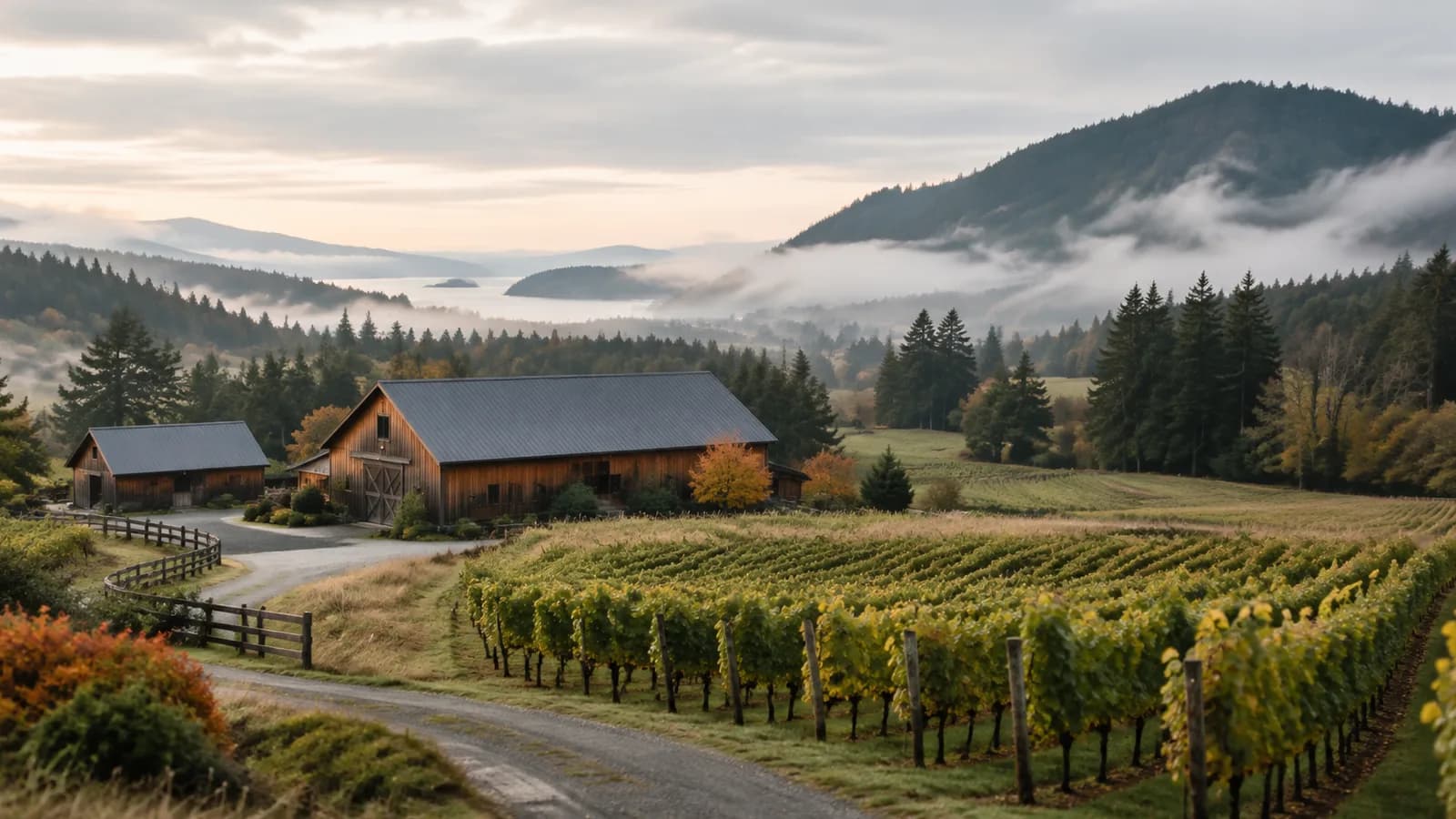
P3 Mechanical & Electrical works across Duncan and the wider Cowichan Valley, from the character homes around the downtown core to acreages along the Cowichan River. We install and service heat pumps, furnaces, ductwork, and plumbing, and we plan each job around what the property is actually served by — a gas main, a propane tank, a well, or nothing but baseboards.
Something's not working right now?
Start here. Each one goes to the crew that handles it, and carries the one thing worth checking before we arrive.
- The furnace or heat pump won't startCheck the power switch that looks like an ordinary light switch, near the unit or at the top of the basement stairs.
- No hot water, or water where it shouldn't beShut the water off at the main if you can reach it, and stay clear of any leak near wiring or a panel.
- The house won't cool, or the air is staleCheck the filter first: a clogged one chokes airflow long before the equipment itself fails.
Not sure which one it is? Describe it on the phone and we'll work it out: +1-250-824-7363
The housing stock changes block by block
Duncan is the valley’s commercial hub, and its housing carries every era the valley has grown through. The blocks around the downtown core and the totem poles are full of early-1900s houses that were built for wood heat and later fitted with electric baseboards, hot-water radiators, or an oil furnace in the basement, and very few of them have ductwork anywhere. Out toward Quamichan and Somenos, post-war bungalows and 1970s subdivisions still run mostly on baseboards, while the newer builds further out generally arrived with a builder-grade furnace and duct runs already in the floor.
Past Sahtlam and Glenora, and down along the river toward Cowichan Bay, most properties draw their water from a well rather than a municipal main. Valley well water is frequently hard and sometimes carries iron, which scales up a tank, a set of fixtures, or the heat exchanger inside a tankless unit far faster than treated water would — so on those addresses the water gets tested before the equipment is chosen, not after.
Valley air: still, damp, and slow to clear
Duncan sits on a valley floor with water most of the way around it — the Cowichan River, Somenos and Quamichan Lakes, the estuary down at Cowichan Bay — and the air here does not move the way it does on the open coast. Winter mornings settle into fog, cold air pools on the flats, and a house on the valley bottom can wake up noticeably colder than one on the hillside above it. That same stillness is what holds neighbourhood woodsmoke close to the ground on calm nights.
Summers run hotter and drier here than at Chemainus or Crofton, because Duncan sits far enough back from the water to lose the sea breeze. A house built purely for heating — which is most of the older stock — gets genuinely uncomfortable in a July stretch, and that is usually what starts the conversation about a heat pump rather than another furnace. Late-August wildfire smoke off the Interior now brings filtration and HRV questions into the same visit as the heating ones.
What decides the job in Duncan
- Permit authority
- The City of Duncan covers only about two square kilometres, so a large share of Duncan-addressed homes actually sit in the Municipality of North Cowichan or in a Cowichan Valley Regional District electoral area. We work out which office your address falls under before the job is booked, and file there.
- Natural gas
- Some Duncan streets have a gas main at the curb and some do not; a few kilometres out toward Sahtlam it is usually propane or straight electric instead. What the property is actually served by decides whether a furnace swap, a dual-fuel arrangement, or a plain electric heat pump is the sensible answer.
- Rebate programmes
- CleanBC Better Homes and BC Hydro both run incentives for households moving off oil, propane, or baseboard heat onto a heat pump. What you qualify for depends on household income and the equipment installed, so we go through the current terms with you and send the application in with the permit.
- Getting to the property
- Nothing here needs a ferry, but the rural addresses west and south of town sit on large lots at the end of long gravel driveways. That decides how equipment is brought in, where an outdoor unit can stand, and how far a line set has to run back to the house.
Why homeowners here choose P3
- Ductless heat pumps for downtown character homes with no duct runs anywhere
- Oil, propane, natural gas, and electric baseboard heat all serviced
- Permits filed with the City of Duncan, North Cowichan, or the CVRD, whichever your address falls under
- Well and septic properties along the Cowichan River and out toward Sahtlam
What happens after you call
You call, or send the form. We ask what the equipment is, how old it is and what it is doing now — enough to tell a repair from a replacement before anybody drives anywhere.
We look at the job. Some things are settled on the phone; anything that touches ductwork, venting, a gas line or a water line gets looked at on site, because guessing at those from a description is how a quote goes wrong.
You get the scope and the price in writing, with the equipment named, so it can be read next to somebody else’s quote line for line. The estimate itself is free, and it follows the visit rather than the phone call.
Where the work needs a permit — furnaces, heat pumps, gas, plumbing — we pull it and book the inspection as part of the job, rather than handing you a form at the end.
Frequently asked questions
What actually works best for heating a house in Duncan?
For most Duncan homes, a heat pump. The valley gets hotter summers than the coastal towns and damp, chilly winters, and a heat pump covers both ends without a separate air conditioner bolted on later. If your house already has ductwork, a ducted system is usually the simplest path; if it does not, a ductless setup does the same job without opening walls.
Can I put a heat pump in an old house downtown that has no ducts?
Yes. Many of the character homes near the downtown core were built long before forced air was standard, so they run on baseboards, radiators, or an old oil furnace. Ductless mini-splits give you room-by-room heating and cooling without tearing into plaster or altering the exterior any more than one small line set requires.
My address says Duncan — who do I actually get the permit from?
It depends where the property line sits. The City of Duncan covers only about two square kilometres, so a large share of Duncan-addressed homes are in the Municipality of North Cowichan or a Cowichan Valley Regional District electoral area, each with its own permit office. We confirm which one applies to your address and file with that office rather than leaving you to guess.
Why does the air in the valley get so smoky on winter nights?
Cold air settles on the valley floor and sits there, which traps woodsmoke from neighbourhood stoves and fireplaces near ground level instead of letting it disperse. A high-MERV filter in a ducted system, or an HRV that brings in filtered outside air, is the usual fix for a house that smells like everyone else’s chimney all winter.
Is there a rebate for getting off oil or baseboard heat around here?
There are programs, yes — CleanBC Better Homes and BC Hydro both run incentives for switching to a heat pump. What you actually receive depends on your household income bracket and the equipment installed, so nobody can quote you a real figure sight unseen. We go through the current terms with you and submit the application alongside the install paperwork.
We are on a well out past Sahtlam — does that change the plumbing side?
It can. Well water in the Cowichan Valley is often hard and sometimes carries iron, which scales up tanks, fixtures, and the heat exchanger in a tankless heater faster than treated municipal water does. If you are replacing a water heater on a well, it is worth testing the water first and choosing the equipment around the result.
Nearby areas we also serve
Ready to book a technician?
Call now, or send us the details online and we'll follow up.