
Heating & Cooling for Cobble Hill Homes and Acreages
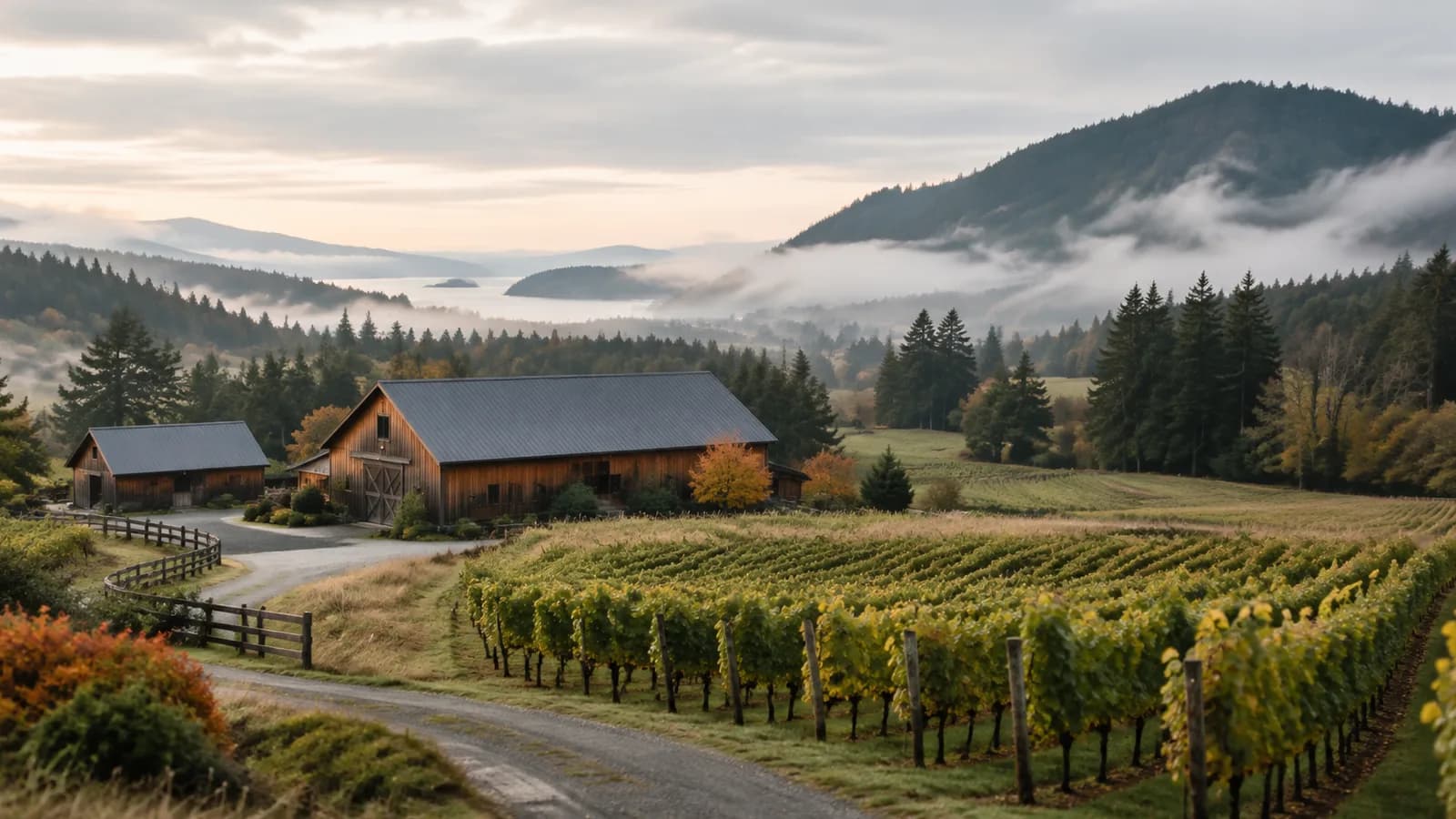
P3 Mechanical & Electrical works across Cobble Hill and the South Cowichan, from acreages and hobby farms out toward Cherry Point to the strata homes on the water side of the community. We install and service heat pumps, furnaces, ventilation, and water heating, including the detached shops, barns, and suites that were never tied into the main house.
Something's not working right now?
Start here. Each one goes to the crew that handles it, and carries the one thing worth checking before we arrive.
- The furnace or heat pump won't startCheck the power switch that looks like an ordinary light switch, near the unit or at the top of the basement stairs.
- No hot water, or water where it shouldn't beShut the water off at the main if you can reach it, and stay clear of any leak near wiring or a panel.
- The house won't cool, or the air is staleCheck the filter first: a clogged one chokes airflow long before the equipment itself fails.
Not sure which one it is? Describe it on the phone and we'll work it out: +1-250-824-7363
Acreages, outbuildings, and the village
Cobble Hill is mostly rural, spread between the village, the trails on Cobble Hill Mountain, and the vineyards and pasture out toward Cherry Point. The houses range from farmhouses that grew a room at a time to newer builds on subdivided acreage, and the heating is just as mixed: a propane furnace here, electric baseboards there, a wood stove quietly doing most of the work, and the occasional oil tank still sitting in a side yard.
Detached buildings are the local specialty. Shops, barns, studios, carriage houses, and suites over the garage were almost never built with the main house’s heating in mind, and running ductwork out to them is rarely worth it. A ductless mini-split is the practical answer — one outdoor unit, one or two indoor heads, heat and cooling in the building you are actually using without touching the rest of the property.
There is a strata side to Cobble Hill too. In a community like Arbutus Ridge, the bylaws normally govern exterior changes and how much noise a unit can make at the property line, so where an outdoor condenser sits is something to settle with the council before equipment is ordered rather than after it arrives.
Inland weather, farm dust, and well water
Set back from the water as it is, South Cowichan runs hotter on a summer afternoon than the coastal towns and colder on a winter morning. Cold air drains off the hills and pools on the flats, so a low-lying property can sit in fog and frost while a neighbour partway up the slope is clear. A house on baseboards and a wood stove feels that difference sharply.
Dust is the other constant. Gravel driveways, field work, hay season, and pollen off pasture and vineyard all put particulate into the air, and filters on a rural property load up faster than the same filter would in town. High-MERV filtration in a ducted system helps, and an HRV brings in filtered outside air without opening a window onto whatever is blowing past.
Water matters here as much as air. Most Cobble Hill properties draw from a well, and valley well water is frequently hard and sometimes carries iron or manganese. That scales up tanks, fixtures, and the heat exchanger inside a tankless water heater far faster than treated municipal water does, so it is worth knowing what is in the water before choosing the equipment that has to live in it.
What decides the job in Cobble Hill
- No municipal hall
- Cobble Hill is unincorporated and sits inside a Cowichan Valley Regional District electoral area, so permits and inspections come through the CVRD rather than a municipality — something people who moved up from a city are regularly caught out by. We confirm the jurisdiction for the address and file there.
- Propane, not a gas main
- A great many Cobble Hill properties run on a propane tank or on electricity alone rather than a gas main, which changes the arithmetic: an electric heat pump carrying the bulk of the work with propane as backup on the coldest mornings, or an all-electric system with no tank to refill.
- CleanBC and BC Hydro
- CleanBC Better Homes and BC Hydro both run incentives for South Cowichan households moving off oil, propane, or baseboards onto a heat pump, and leaving propane as a primary heat source is one of the switches they are aimed at. How much of it reaches a household follows its income bracket and the system that goes in.
- Well water first
- Most Cobble Hill properties draw from a well, and valley well water is frequently hard and sometimes carries iron or manganese. That scales a tank or a tankless heat exchanger far faster than treated municipal supply does, so the water is worth testing before the equipment that has to live in it is chosen.
Why homeowners here choose P3
- Ductless heating and cooling for shops, barns, studios, and suites over the garage
- Filtration and ventilation chosen around gravel-road dust and field pollen
- Water heaters specified for hard well water rather than treated municipal supply
- Permits filed through the Cowichan Valley Regional District, not a municipal hall
What happens after you call
You call, or send the form. We ask what the equipment is, how old it is and what it is doing now — enough to tell a repair from a replacement before anybody drives anywhere.
We look at the job. Some things are settled on the phone; anything that touches ductwork, venting, a gas line or a water line gets looked at on site, because guessing at those from a description is how a quote goes wrong.
You get the scope and the price in writing, with the equipment named, so it can be read next to somebody else’s quote line for line. The estimate itself is free, and it follows the visit rather than the phone call.
Where the work needs a permit — furnaces, heat pumps, gas, plumbing — we pull it and book the inspection as part of the job, rather than handing you a form at the end.
Frequently asked questions
What is the best way to heat a house on an acreage out here?
For most Cobble Hill properties, a heat pump carries the load and whatever you already have becomes backup. Winters are damp and chilly rather than extreme, which is the range a heat pump works efficiently in, and it also covers the hot August afternoons that inland South Cowichan gets and the coastal towns do not. Whether it is ducted or ductless depends on what the house already has.
Can you heat the shop, or the suite over the garage?
Yes, and that is one of the more common jobs out here. Detached shops, barns, studios, and secondary suites rarely have any connection to the main house’s heating, and a ductless mini-split gives that building its own heating and cooling without extending ductwork across the yard. It also means the shop is not being heated when nobody is in it.
We are on a well. Does that change what water heater we should put in?
It can change it quite a bit. Hard water and dissolved iron are common in Cowichan Valley wells, and both scale up a tank or a tankless heat exchanger much faster than treated municipal water. Knowing the hardness before choosing between a tank and a tankless unit — and deciding whether treatment goes in ahead of it — saves replacing the wrong equipment early.
The dust out here is relentless. What actually helps inside the house?
Two things do most of the work. A high-MERV filter in a ducted system catches the fine particulate that a basic filter passes through, and an HRV supplies filtered fresh air so you are not opening windows during hay season or a dry spell on the gravel road. Filters on a rural property need changing more often than the packaging suggests.
There is no town hall in Cobble Hill, so who issues the permit?
The Cowichan Valley Regional District. Cobble Hill is unincorporated and sits within a CVRD electoral area, so building, mechanical, and plumbing permits and inspections are handled at the regional district rather than by a municipality. We identify the right office for your property and submit the application as part of the job.
We are on propane, not natural gas. Does that change the heat pump decision?
It usually strengthens it. Propane is delivered and stored on site, so the running cost tends to be higher than piped gas, and a heat pump doing most of the heating shifts that load onto electricity. Keeping the propane appliance as backup for the coldest mornings is a common arrangement, and moving off propane as a primary heat source is one of the switches the provincial rebate programs are aimed at.
Nearby areas we also serve
Ready to book a technician?
Call now, or send us the details online and we'll follow up.