
Heating & Cooling for Shawnigan Lake Homes and Cabins
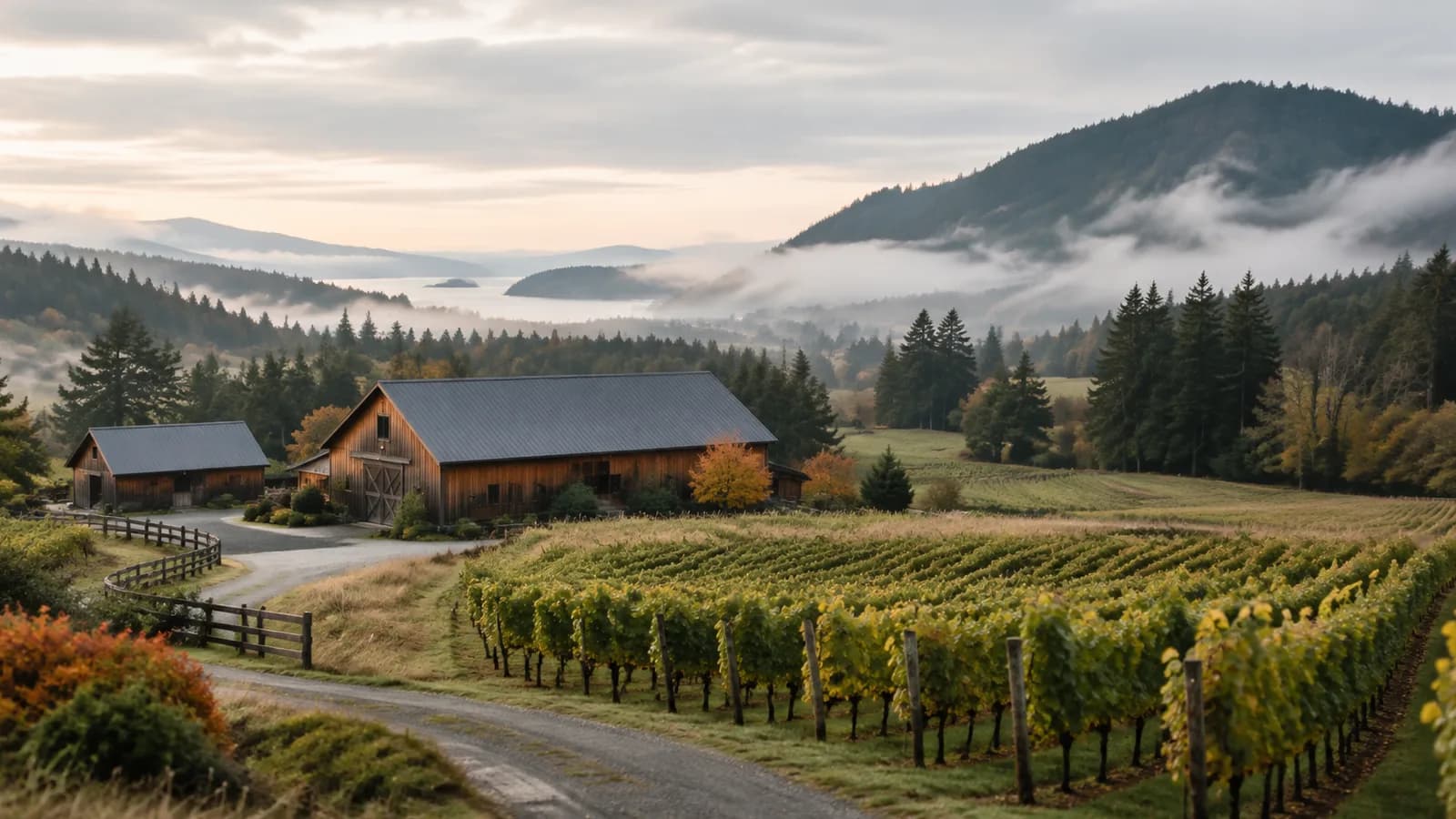
P3 Mechanical & Electrical installs and services heat pumps, furnaces, ventilation, and plumbing around Shawnigan Lake, from the waterfront cabins along West Shawnigan Lake Road to year-round homes near the Village and up the hillsides. Steep lots, dense forest, well water, and buildings that sit empty for months all change what makes sense here, so the system is planned around the property rather than the postcode.
Something's not working right now?
Start here. Each one goes to the crew that handles it, and carries the one thing worth checking before we arrive.
- The furnace or heat pump won't startCheck the power switch that looks like an ordinary light switch, near the unit or at the top of the basement stairs.
- No hot water, or water where it shouldn't beShut the water off at the main if you can reach it, and stay clear of any leak near wiring or a panel.
- The house won't cool, or the air is staleCheck the filter first: a clogged one chokes airflow long before the equipment itself fails.
Not sure which one it is? Describe it on the phone and we'll work it out: +1-250-824-7363
Cabins that turned into houses
Much of the housing around Shawnigan Lake began as a summer cabin and became a house one addition at a time. Insulation went in later, if at all, a wood stove still does much of the heavy lifting, and baseboards cover the bedrooms. On the waterfront lots along West Shawnigan Lake Road the ground falls away steeply and access is often a flight of stairs down from the road, so how equipment reaches the house is part of the plan, not a detail sorted out on the day. Most of these properties are on a well or a small community system with a septic field, and both carry setbacks that decide where an outdoor pad or a condensate line is allowed to go — with well water that is often hard enough to scale a water heater faster than treated supply would.
Around the Village and the flatter ground near the schools the stock is more conventional — houses from the 1970s onward, some with ductwork and a furnace, most still on baseboards. Newer builds up the hillsides are better insulated and carry far more glass, which shifts the problem from heating to summer overheating.
Then there are the properties that sit empty for months. Holding a cabin at a low set point through the winter keeps pipes from freezing and slows the mould that thrives in a cold, closed-up building beside a lake. A ductless heat pump does that on very little power, and gives you cooling for the July weeks when the place is full.
A lake in a forest: damp, needles, and outages
The lake keeps humidity up all year. Fog forms over the water on cool mornings, the forest floor never really dries out between November and March, and a closed-up building goes musty quickly. Warming the air does not remove the moisture — ventilation does, which is why an HRV so often joins the heating conversation on properties near the water.
The forest is the other constant. Second-growth fir and cedar grow right up against the houses here, and needles, leaves, seed, and spring pollen drop into an outdoor unit and mat across the coil, choking airflow until the system works far harder than it should. Clearance around the unit and a coil cleaned during routine maintenance count for more here than almost anywhere in the valley. Wrapping the unit in plastic for the winter is not the answer: it traps damp and invites rodents into the cabinet.
Winter storms bring trees down on the lines, and outages are a normal part of the season here. A house heated entirely by electricity has no heat while the power is out, which is why keeping a wood stove or a propane appliance as a second heat source around the lake usually makes sense even after a heat pump goes in.
What decides the job in Shawnigan Lake
- CVRD, no municipal hall
- Shawnigan Lake is unincorporated, sitting inside a Cowichan Valley Regional District electoral area, so permits and inspections come through the CVRD rather than a municipal hall. We identify the office a property falls to and lodge the paperwork there ourselves.
- No gas line to the lake
- There is no natural gas main to plan around at Shawnigan Lake: properties here run on propane or straight electricity, with a wood stove still doing much of the heavy lifting in the older cabin stock. That decides what a heat pump is replacing and what stays as a second heat source.
- Moving off propane
- CleanBC Better Homes and BC Hydro both offer incentives for the move off propane, oil, or baseboards to a heat pump, which covers a good deal of what the lake is heated by today. What a household qualifies for is set by its income bracket and by the system that goes in, not by a fixed figure.
- Winter storm outages
- Winter storms bring trees down on the lines around Shawnigan Lake often enough that outages are a normal part of the season, and a house heated entirely by electricity has no heat while the power is out. That is why a wood stove or propane appliance here usually stays in place as backup rather than being taken out when the heat pump goes in.
Why homeowners here choose P3
- Low set-point heating for cabins that sit empty through the winter
- Outdoor units sited and cleared for needle fall and forest debris
- Backup heat kept in the plan for winter storm outages
- Permits filed through the Cowichan Valley Regional District
What happens after you call
You call, or send the form. We ask what the equipment is, how old it is and what it is doing now — enough to tell a repair from a replacement before anybody drives anywhere.
We look at the job. Some things are settled on the phone; anything that touches ductwork, venting, a gas line or a water line gets looked at on site, because guessing at those from a description is how a quote goes wrong.
You get the scope and the price in writing, with the equipment named, so it can be read next to somebody else’s quote line for line. The estimate itself is free, and it follows the visit rather than the phone call.
Where the work needs a permit — furnaces, heat pumps, gas, plumbing — we pull it and book the inspection as part of the job, rather than handing you a form at the end.
Frequently asked questions
What is actually the best way to heat a place at Shawnigan Lake?
A heat pump for most of the year, with a second heat source kept in reserve. Winters here are damp and chilly rather than severe, which is where a heat pump is efficient, and it covers the hot July stretch that inland Cowichan gets and the coastal towns do not. Keeping the wood stove or a propane appliance as backup matters more here than in town because of storm outages.
I only use the cabin in summer. Is a heat pump worth it for a seasonal place?
Often yes, for two reasons that have nothing to do with summer. A ductless heat pump gives you cooling during the weeks you are there, and it can hold the building at a low temperature all winter for very little, which protects the plumbing from freezing and keeps the damp, closed-up mustiness and mould from taking hold while nobody is around.
The property is heavily treed. Do needles and leaves really hurt the outdoor unit?
They do. Needles, leaves, seed, and spring pollen settle into the cabinet and mat across the coil, and a blocked coil forces the system to work much harder for the same result. Keep clearance around the unit, sweep the area, and have the coil cleaned as part of routine maintenance. Do not wrap the unit in plastic for the winter — it traps moisture and gives rodents somewhere to live.
The power goes out here every winter. What happens to the heat?
If the house is heated entirely by electricity — heat pump, baseboards, or an electric furnace — it stops with the power, the same as everything else. Around the lake that is a real planning question, not a hypothetical. The usual answer is to keep a wood stove or a propane appliance rather than remove it, and to make sure whichever one you keep does not need a fan or a control board to do its job.
The cabin smells musty every spring. How do I stop that?
Moisture, not temperature, is what causes it. A building closed up beside a lake through a wet winter accumulates humidity with nowhere to go, and mould follows. Holding a low background temperature helps, and mechanical ventilation helps more: an HRV keeps exchanging stale, damp air for filtered outside air while recovering most of the heat, so the place is dry rather than merely warm.
Are there rebates for upgrading heating around the lake?
Yes — CleanBC Better Homes and BC Hydro both run programs for moving off propane, oil, or electric baseboards onto a heat pump, and that covers a lot of the older cabin stock here. The amount depends on your household income bracket and the equipment installed rather than being a fixed number, so we go through the current terms with you and file the application with the rest of the paperwork.
Nearby areas we also serve
Ready to book a technician?
Call now, or send us the details online and we'll follow up.