
HVAC & Plumbing Services in Nanaimo, BC
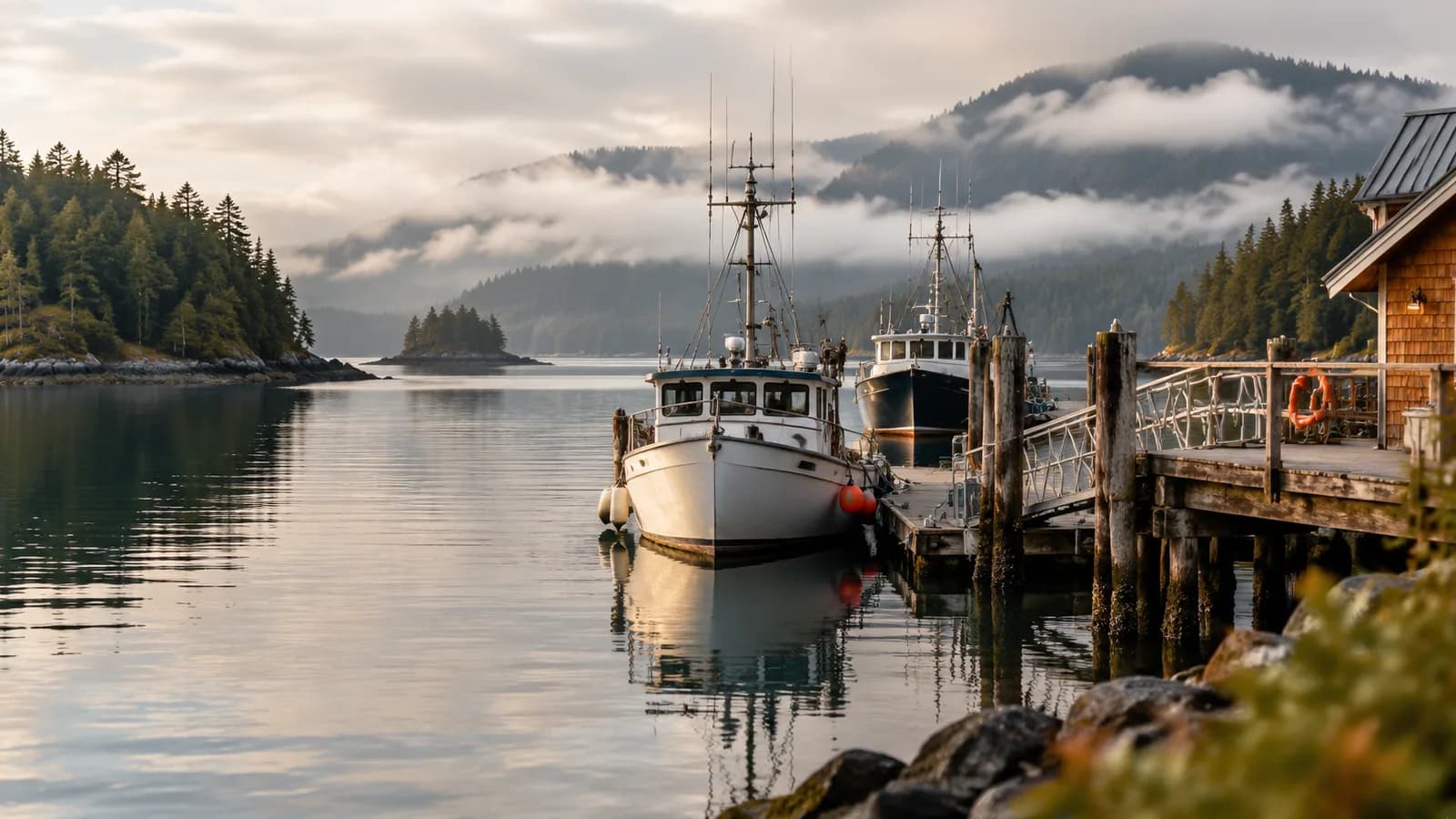
P3 Mechanical & Electrical is based right in Nanaimo — the shop is in the city itself, not a dispatch address on the mainland — so this is the city we work in most, from the Old City and Departure Bay down through South Nanaimo and out to Chase River. We handle furnaces, heat pumps, ductwork, and plumbing on the same crew, in everything from 1940s character homes downtown to the newer subdivisions climbing the hillside above Departure Bay. Every job starts with a written quote once someone has seen the equipment, not a figure over the phone.
Something's not working right now?
Start here. Each one goes to the crew that handles it, and carries the one thing worth checking before we arrive.
- The furnace or heat pump won't startCheck the power switch that looks like an ordinary light switch, near the unit or at the top of the basement stairs.
- No hot water, or water where it shouldn't beShut the water off at the main if you can reach it, and stay clear of any leak near wiring or a panel.
- The house won't cool, or the air is staleCheck the filter first: a clogged one chokes airflow long before the equipment itself fails.
Not sure which one it is? Describe it on the phone and we'll work it out: +1-250-824-7363
Nanaimo neighbourhoods we work in every week
Nanaimo is a city of distinct pockets, and the heating and plumbing problems change with the neighbourhood. Character homes in the Old City and around Departure Bay were mostly built before forced-air heating was standard, so plenty of them still run on electric baseboards or an aging oil tank tucked in the crawlspace. Newer subdivisions in North Nanaimo and Hammond Bay usually already have ductwork from a builder-grade gas furnace, which makes a heat pump swap more straightforward. Out toward Chase River, Extension, and the Cassidy edge of town, bigger lots often mean well water, septic fields, and more room for an outdoor heat pump unit than a downtown lot allows.
Strata buildings are common along the waterfront and around Departure Bay, Brechin Hill, and the Harbourfront Walkway, and most strata councils have their own rules about where an outdoor condenser can sit and how loud it's allowed to be. We size and place ductless systems with those bylaws in mind rather than leaving a homeowner to sort it out with the strata council after the fact.
Nanaimo has also been one of the faster-growing cities on the Island for years, and the mix of work shows it. There's a steady stream of new waterfront condo towers going up around the downtown core and the old Port of Nanaimo lands, alongside renovation work on the older housing stock near Vancouver Island University and Nanaimo Regional General Hospital. Two ferry terminals — Departure Bay and Duke Point — and the airport out past Cassidy mean a fair number of our Nanaimo clients are commuting to the mainland or flying out regularly, which is part of why a reliable, no-surprises heating and cooling system matters to them.
Nanaimo's climate and what it does to equipment
Nanaimo's winters are mild by Canadian standards but long, damp, and windy off the Strait of Georgia, with the odd cold snap that catches an older baseboard-heated house off guard. Summers have gotten hotter and drier over the past several years, and homes without any cooling — still common in older parts of the city — can get uncomfortable during a heat spell. A heat pump handles both ends of that without needing a separate air conditioner bolted on later.
Anything installed near the harbour, the Departure Bay ferry terminal, or along the Boat Basin is exposed to salt-laden air that speeds up corrosion on an outdoor unit's coils and cabinet. We treat equipment going into those areas with marine-grade coatings and put it on a maintenance schedule that includes rinsing off salt buildup, the same as we would for a waterfront home along Newcastle Island's sightline.
Late-summer wildfire smoke drifting over from the BC Interior has also become a regular late-August occurrence, which is why we increasingly get asked about HRVs and high-MERV filtration alongside a heating or cooling job rather than as an afterthought.
What decides how long the work takes
A straightforward furnace or heat pump swap is usually finished in a day. A conversion that adds ductwork, moves a gas line, or opens a tight crawlspace up to get at either takes longer, and the written quote says which of the two your house is before anything is booked. Our labour carries a one-year warranty; equipment and parts are covered separately, under the supplier's or manufacturer's own warranty.
What decides the job in Nanaimo
- City of Nanaimo permits
- Furnace and heat pump work inside the city needs a permit from the City of Nanaimo, and we pull it and book the inspection as part of the job — so the trips to the counter are not yours to make.
- Gas, oil, and baseboards
- What a Nanaimo house is heated with now decides the shape of the whole job: a gas furnace with duct runs already in the floor is a straight swap, while an oil tank or electric baseboards in an unducted character home is a conversion. Both are ordinary work here, and the two patterns sit in different parts of the city.
- Rebate programs
- CleanBC Better Homes and BC Hydro both run programs for moving off oil or electric baseboard heat, and they apply in Nanaimo the same way they do anywhere else in BC. What a household receives depends on its income tier and the equipment installed, and the terms in force on the install date are the ones that count.
- Strata rules and salt air
- A strata council on the harbourfront, at Brechin Hill, or around Departure Bay gets a say in where an outdoor unit goes and how quiet it has to be, so the bylaws are read before the quote is written. Salt is the second constraint on the same streets: equipment within reach of the water is specified with marine-grade coatings.
Why homeowners here choose P3
- Based in Nanaimo itself — not dispatched from off-island
- One crew for furnaces, heat pumps, ductwork, and plumbing
- Familiar with strata rules in Departure Bay and harbourfront buildings
- Marine-grade coatings for equipment near the water
What happens after you call
You call, or send the form. We ask what the equipment is, how old it is and what it is doing now — enough to tell a repair from a replacement before anybody drives anywhere.
We look at the job. Some things are settled on the phone; anything that touches ductwork, venting, a gas line or a water line gets looked at on site, because guessing at those from a description is how a quote goes wrong.
You get the scope and the price in writing, with the equipment named, so it can be read next to somebody else’s quote line for line. The estimate itself is free, and it follows the visit rather than the phone call.
Where the work needs a permit — furnaces, heat pumps, gas, plumbing — we pull it and book the inspection as part of the job, rather than handing you a form at the end.
Frequently asked questions
Are you actually based in Nanaimo, or dispatched from somewhere else?
Based here — the shop is in Nanaimo itself, not a mainland office with a local phone number, and this is the city we work in most. That matters beyond the drive: the person who quotes your job is usually the one who comes back to do it, so a question that comes up mid-installation goes to someone who has already stood in your mechanical room.
Do you cover North Nanaimo and Departure Bay, or just downtown?
We work the whole city — the Old City and downtown, Departure Bay, Hammond Bay and North Nanaimo, Chase River and South Nanaimo, and out to Cassidy and Cedar at the edge of town. Nanaimo is our home base, so it's the area we cover most often, not a stretch destination.
My house near the Old City still has electric baseboards — is a heat pump actually worth it?
For most character homes in that part of Nanaimo, yes. A ductless heat pump doesn't need the ductwork these older houses were never built with, and it heats far more efficiently than resistance baseboards while doubling as air conditioning for the handful of hot weeks each summer. It's the most common upgrade we do in the Old City and around Departure Bay.
I'm in a strata townhome near the harbour — can I even get an outdoor heat pump unit installed?
Usually, yes, but the strata council typically has a say in where the unit sits and how it's screened or mounted. We look at your strata's bylaws before we quote the job, and for harbourfront and Departure Bay buildings we default to marine-grade coated equipment because of the salt air.
Is there a rebate for switching off oil heat in Nanaimo?
Likely yes. CleanBC Better Homes and BC Hydro both run programs for moving off oil or electric baseboard heat, and they apply in Nanaimo the same way they do anywhere else in BC. What a household receives depends on its income tier and the equipment installed, and the program terms change periodically, so the ones in force on your install date are the ones that count. We fill out the CleanBC and BC Hydro paperwork as part of the job rather than leaving it to you.
Do you pull the permit with the City of Nanaimo, or is that on me?
That part is on us — we pull it and book the inspection as part of the job — so you're not the one making trips to city hall.
Nearby areas we also serve
Ready to book a technician?
Call now, or send us the details online and we'll follow up.