
HVAC & Plumbing in Cedar & Yellow Point, BC
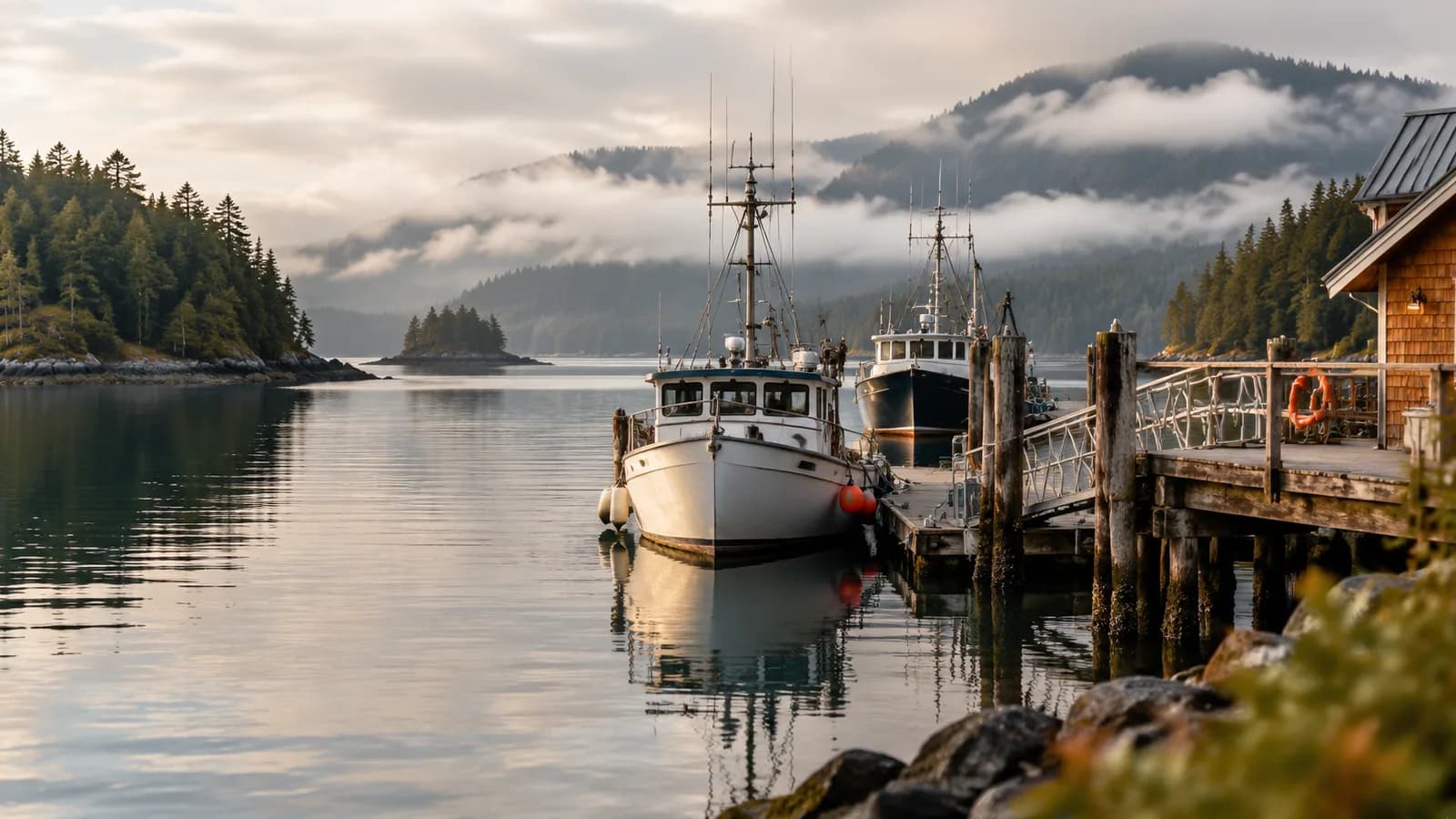
P3 Mechanical & Electrical works throughout Cedar, from the farms and acreages along the Nanaimo River to the waterfront at Yellow Point, Boat Harbour, and Cedar-by-the-Sea. It is two service areas in one: inland properties dealing with dust, pollen, wells, and propane, and shoreline properties dealing with salt. Heating, cooling, and plumbing all come off the same crew, which saves a rural property a second trip down a long driveway.
Something's not working right now?
Start here. Each one goes to the crew that handles it, and carries the one thing worth checking before we arrive.
- The furnace or heat pump won't startCheck the power switch that looks like an ordinary light switch, near the unit or at the top of the basement stairs.
- No hot water, or water where it shouldn't beShut the water off at the main if you can reach it, and stay clear of any leak near wiring or a panel.
- The house won't cool, or the air is staleCheck the filter first: a clogged one chokes airflow long before the equipment itself fails.
Not sure which one it is? Describe it on the phone and we'll work it out: +1-250-824-7363
Farm country on one side, salt water on the other
Inland Cedar is farm country — large lots, hay fields, hobby farms, and older farmhouses that have been added onto more than once. Heating in those houses is frequently a layered history: a wood stove that still works, baseboards in the additions, and an oil tank somebody stopped using but never removed. Ducts are often either absent or original and undersized, which makes ductless or a small ducted heat pump the practical route rather than trying to force a modern system through old trunk lines.
The shoreline is a different building type entirely. Houses out toward Yellow Point and Boat Harbour are oriented at the water and were often built or renovated for the view, with big glazing on the exposure that takes the most heat gain in summer and the most wind in winter. Cooling load there is real, and it is not distributed the way it is in a boxy inland house.
Between the two sits Cedar village and the newer subdivisions around it, where houses are ordinary in the best sense: ducts already in, a straightforward heat pump retrofit, and no long driveway to consider.
Dust and pollen inland, corrosion at the shore
On the farm side, air quality is the recurring job. Field dust in dry weather, grass and tree pollen through spring, and gravel-road dust year-round load filters far faster than in a city neighbourhood, and a filter that is loaded is a filter that costs you airflow. High-MERV filtration sized to the system, and a heat recovery ventilator on a tighter house, are what make the difference for someone who notices it every allergy season.
On the water side the problem is corrosion. Salt-laden air off Stuart Channel settles on the coil, the cabinet, and the electrical terminals of an outdoor unit and eats them faster than inland air ever would. For anything within reach of that exposure we specify marine-grade coil and cabinet coatings, mount the unit clear of ground spray, and include a freshwater rinse in annual service.
What decides the job in Cedar
- Not the City of Nanaimo
- A Cedar address sits outside the city, so building, mechanical, and plumbing permits are issued by the Regional District of Nanaimo — still true for a property a few minutes from the boundary. Pulling that permit and booking the inspection is our part of the work, not yours.
- Propane in a yard tank
- No gas main reaches most of Cedar, so a propane tank in the yard stands in for one and the rest of the heat is electric, wood, or whatever is left of an old oil system. On a house carrying three of those at once, the real question in a conversion is which one stays as backup rather than which one goes.
- Getting off oil or wood
- A Cedar farmhouse coming off oil, propane, wood, or baseboards is what the CleanBC Better Homes and BC Hydro offers were written for. The amount is not a fixed figure — it follows the household’s income and the equipment chosen — and the application paperwork is done as part of the job.
- Wells and septic fields
- Most of Cedar draws from a well and drains to a septic field, which ties the trades together: a heat pump conversion here often turns up a pressure tank on its last season, hard or iron-heavy water working on the fixtures, or a septic pump nobody has looked at in a decade. We would rather find those on the same visit.
Why homeowners here choose P3
- Ductless and small ducted retrofits for older Cedar farmhouses
- Marine-grade coatings for Yellow Point and Boat Harbour waterfront
- Filtration and HRV work for field dust and spring pollen
- Well pump and water treatment work on the same visit as the heating
What happens after you call
You call, or send the form. We ask what the equipment is, how old it is and what it is doing now — enough to tell a repair from a replacement before anybody drives anywhere.
We look at the job. Some things are settled on the phone; anything that touches ductwork, venting, a gas line or a water line gets looked at on site, because guessing at those from a description is how a quote goes wrong.
You get the scope and the price in writing, with the equipment named, so it can be read next to somebody else’s quote line for line. The estimate itself is free, and it follows the visit rather than the phone call.
Where the work needs a permit — furnaces, heat pumps, gas, plumbing — we pull it and book the inspection as part of the job, rather than handing you a form at the end.
Frequently asked questions
What heating system actually makes sense for a place out in Cedar?
A heat pump, for most houses on either side of the area. Cedar gets damp mid-Island winters and hot, dry stretches in summer, and one system covers both instead of running baseboards half the year and fans the other half. In an older farmhouse with no usable ductwork, a ductless system does it without rebuilding the house around the equipment.
We are surrounded by fields. What can we do about the dust and pollen indoors?
Filtration, matched to the system rather than bought off a shelf. Field dust, gravel-road dust, and spring pollen load a filter far faster out here than in town, and a loaded filter quietly costs you airflow and efficiency. A high-MERV filter sized for your equipment, or a heat recovery ventilator in a tighter house, is what changes how the air feels through hay season.
Our house is on the water at Yellow Point. Does salt air really eat the unit?
It does, and faster than most people expect. Salt off Stuart Channel settles on the coil, the cabinet, and the electrical terminals and corrodes all three well ahead of the same unit installed a few kilometres inland. For waterfront properties we specify marine-grade coil and cabinet coatings, keep the unit clear of ground spray, and rinse it down as part of annual maintenance.
We are on a well. Can you deal with the pump and the water too?
Yes — well pumps, pressure tanks, and treatment for hard or iron-heavy water are part of the plumbing work we do out here. It comes up constantly on Cedar properties, and it is usually cheaper to sort out alongside a heating job than as its own call-out once something fails.
Is there a rebate for getting an old farmhouse off oil or a wood stove?
CleanBC Better Homes and BC Hydro both run programs for switching to a heat pump from oil, propane, wood, or electric baseboards. The amount is not fixed — it depends on your household income and on the equipment installed — so it is worth having your own situation checked. We do the application paperwork as part of the job.
Do you cover all of Cedar, out to Boat Harbour and Duke Point?
Yes. We work the whole area: Cedar village and the Nanaimo River flats, Yellow Point Road and the waterfront out to Boat Harbour and Cedar-by-the-Sea, and the properties along the Duke Point corridor. Cedar sits just south of Nanaimo, where we are based.
Nearby areas we also serve
Ready to book a technician?
Call now, or send us the details online and we'll follow up.