
Heating, Cooling & Plumbing in Lake Cowichan, BC
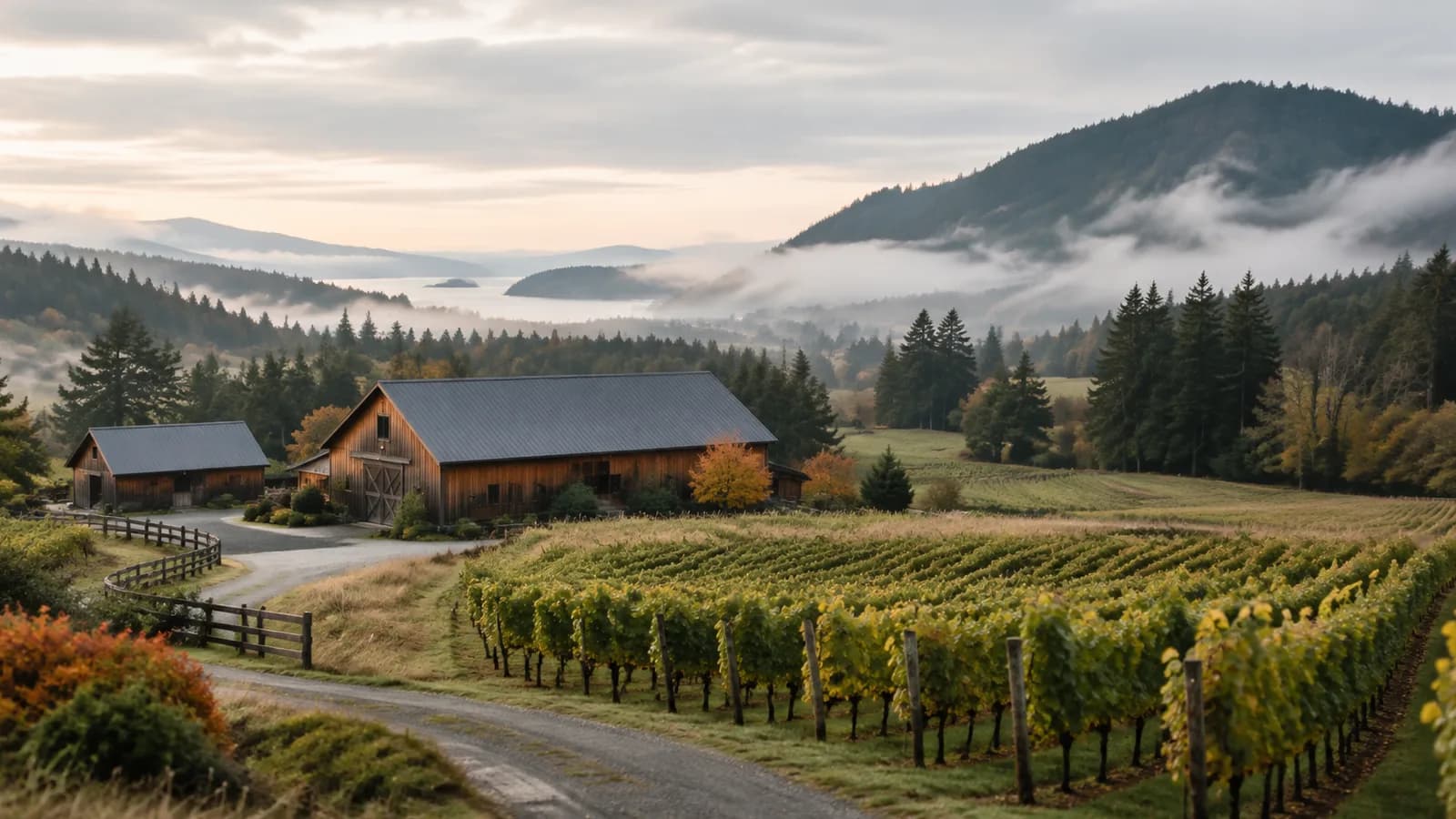
P3 Mechanical & Electrical covers Lake Cowichan and the shoreline around it, from the older houses along the Cowichan River to the cabins out toward Honeymoon Bay. The valley runs hotter in July and August and colder on a clear winter night than the coast does, so equipment here gets sized for inland weather rather than for Nanaimo. Heating, cooling, and plumbing here come off one crew rather than three separate bookings.
Something's not working right now?
Start here. Each one goes to the crew that handles it, and carries the one thing worth checking before we arrive.
- The furnace or heat pump won't startCheck the power switch that looks like an ordinary light switch, near the unit or at the top of the basement stairs.
- No hot water, or water where it shouldn't beShut the water off at the main if you can reach it, and stay clear of any leak near wiring or a panel.
- The house won't cool, or the air is staleCheck the filter first: a clogged one chokes airflow long before the equipment itself fails.
Not sure which one it is? Describe it on the phone and we'll work it out: +1-250-824-7363
What the housing stock around the lake is like
Lake Cowichan grew up as a logging town, and plenty of its houses were built when a wood stove was the entire heating plan. Those places have no ductwork — heat came from the stove, and electric baseboards went in down the hall years later. It is the most common thing we walk into here, and it is why ductless heat pumps do so much of the work in this town: an indoor head goes on the wall of the room that needs it, with no ceiling opened up to run trunk lines.
Around the shoreline the pattern changes. Cabins on the water were built for July rather than February, and many of them still sit empty half the year, which gives a system two jobs: cooling that keeps up after a hot afternoon on the lake, and a low, steady setting all winter that keeps pipes from freezing and damp out of the walls while nobody is there. Newer builds in town are the straightforward end of the range, with ducts already in place for a heat pump to share.
Valley weather is not coastal weather
Inland at the east end of the lake, Lake Cowichan sees summer afternoons well above what Ladysmith or Nanaimo record on the same date, and it collects more rain over a winter than most of the Island. Both ends of that matter when a system is sized. Undersized cooling is obvious by August; undersized heating only shows up on the handful of cold, clear nights when the valley drops past what a coastal spec sheet assumed.
Air quality is the other valley problem. Wood heat is still normal here, and a winter inversion holds that smoke at street level for days; late-summer wildfire smoke does the same from a different direction. Filtration matched to the system, or a heat recovery ventilator in a tighter house, is what changes the air you actually breathe on those days. Trees are the third thing — needles and cones pack an outdoor coil quickly on a wooded lot, and a unit that cannot breathe works harder than it should.
What decides the job in Lake Cowichan
- Town or regional district
- Inside the town boundary, building and mechanical permits come from the Town of Lake Cowichan. Head out along the south shore toward Mesachie Lake, or up the north side toward Youbou, and the Cowichan Valley Regional District handles them instead. Either way we pull the permit and book the inspection.
- Electricity, wood, propane
- Heating around Lake Cowichan runs on electricity, wood, or a propane tank in the yard far more often than on a gas main. That decides what a heat pump is replacing, and whether the old heat source is worth keeping in place as backup rather than pulling out.
- Programs worth checking
- CleanBC Better Homes and BC Hydro both have offers for moving off baseboards, an old oil tank, or a wood stove, which is what most of this valley is heated by. What a household qualifies for depends on its income and on the equipment installed; we fill out those applications with you instead of handing over a web address.
- Cabins left empty
- Plenty of places on the lake sit empty half the year, which gives a system a second job on top of cooling: a low, steady winter setting that keeps pipes from freezing and damp out of the walls while nobody is there. It is usually what makes the case around Honeymoon Bay and the north shore.
Why homeowners here choose P3
- Ductless systems for houses that never had ductwork
- Winter freeze protection for cabins left empty on the lake
- Filtration and HRV work for inversion smoke and wood heat
- Permits pulled with the Town of Lake Cowichan or the CVRD
What happens after you call
You call, or send the form. We ask what the equipment is, how old it is and what it is doing now — enough to tell a repair from a replacement before anybody drives anywhere.
We look at the job. Some things are settled on the phone; anything that touches ductwork, venting, a gas line or a water line gets looked at on site, because guessing at those from a description is how a quote goes wrong.
You get the scope and the price in writing, with the equipment named, so it can be read next to somebody else’s quote line for line. The estimate itself is free, and it follows the visit rather than the phone call.
Where the work needs a permit — furnaces, heat pumps, gas, plumbing — we pull it and book the inspection as part of the job, rather than handing you a form at the end.
Frequently asked questions
What actually works best for heating a house in Lake Cowichan?
For most houses here, a heat pump. The valley swings further than the coast in both directions — hotter August afternoons, colder clear nights in January — and one system covers both instead of baseboards all winter and a window unit all summer. If the house has no ductwork, which is normal in the older part of town, a ductless system does the same job without them.
I only use the cabin at the lake in summer. Is a heat pump still worth it?
Often yes, for the winter more than the summer. A ductless system cools the place on a hot afternoon, and the rest of the year it holds a low maintenance temperature that keeps pipes from freezing and pulls the damp out while the cabin sits empty. Around Honeymoon Bay and along the north shore, that second job is usually what makes the case.
The valley traps wood smoke every winter. Can anything be done about it indoors?
Yes. Winter inversions hold wood smoke low in the valley and wildfire smoke does the same in late summer, so filtration is worth taking seriously here. A high-MERV filter matched to your system, or a heat recovery ventilator in a tighter house, removes most of it from the air you are breathing. Which one fits depends on how the house is built and how it is heated.
Are there rebates for getting off baseboards or an old wood stove?
There are provincial and federal programs — CleanBC Better Homes and BC Hydro are the main two — for moving to a heat pump from baseboards, oil, or wood. The amount is not a flat figure: it depends on your household income and on the equipment installed, so your own case is worth checking rather than a number off a flyer. We do the application paperwork as part of the job.
Who issues the permit out here, the Town or the regional district?
It depends which side of the boundary the property is on. Inside the Town of Lake Cowichan the permit comes from the Town; places out toward Mesachie Lake, Honeymoon Bay, or along the north shore fall under the Cowichan Valley Regional District. We work out which one applies, pull it, and book the inspection.
Nearby areas we also serve
Ready to book a technician?
Call now, or send us the details online and we'll follow up.