
Heating, Cooling & Air Quality Services in Cumberland, BC
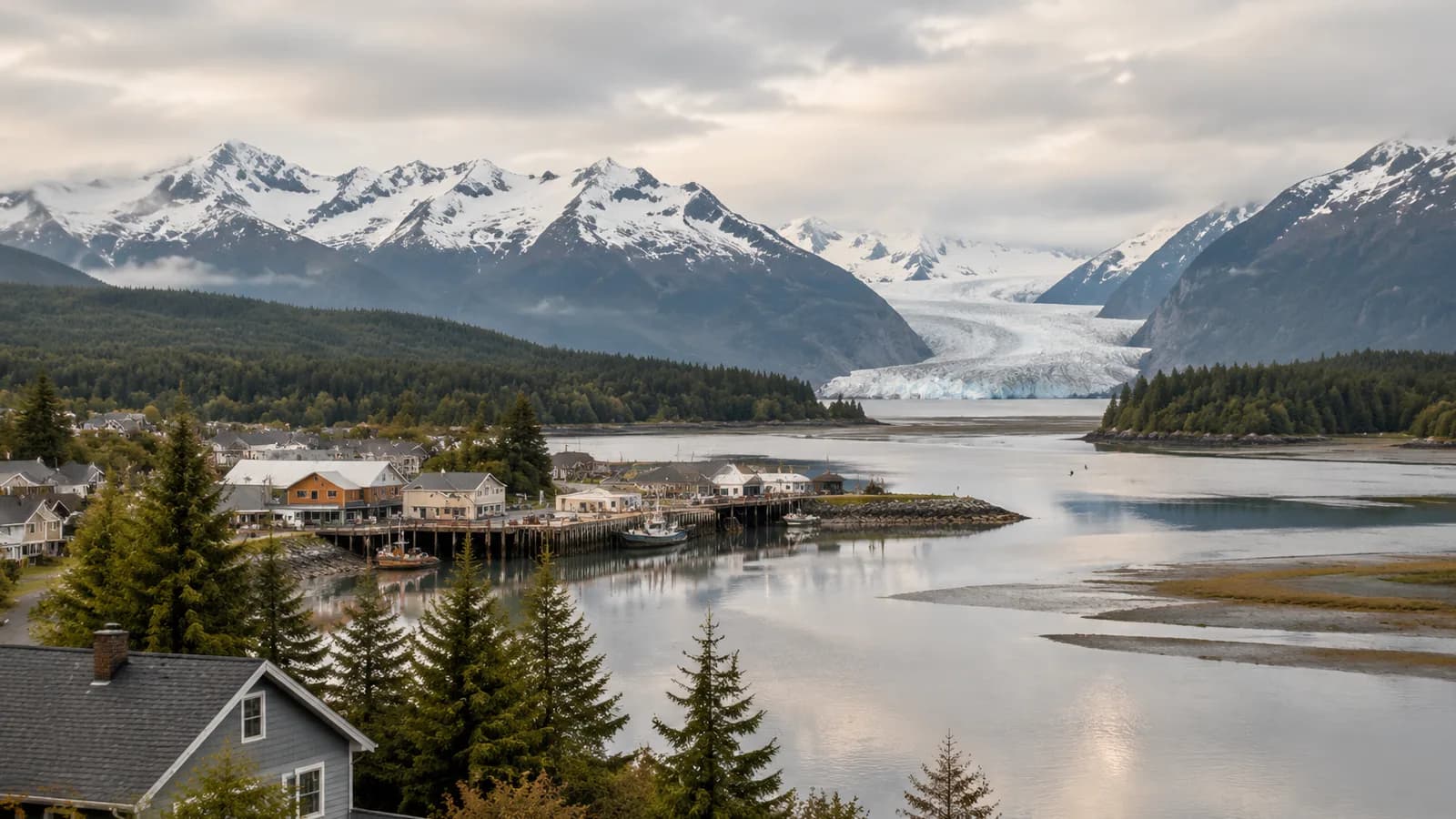
P3 Mechanical & Electrical works in Cumberland on heating, cooling, and plumbing, from the old miners' cottages off Dunsmuir Avenue to the newer houses backing onto the community forest. The village sits higher than the rest of the Comox Valley, so it holds snow the shoreline never sees and runs colder on a winter night. Most of the older housing here has no ductwork at all, which decides the shape of nearly every heating job.
Something's not working right now?
Start here. Each one goes to the crew that handles it, and carries the one thing worth checking before we arrive.
- The furnace or heat pump won't startCheck the power switch that looks like an ordinary light switch, near the unit or at the top of the basement stairs.
- No hot water, or water where it shouldn't beShut the water off at the main if you can reach it, and stay clear of any leak near wiring or a panel.
- The house won't cool, or the air is staleCheck the filter first: a clogged one chokes airflow long before the equipment itself fails.
Not sure which one it is? Describe it on the phone and we'll work it out: +1-250-824-7363
A village built around stoves
Cumberland's oldest houses went up for mine families: small, close together, on narrow lots. They were heated by a stove in the middle of the house and nothing else, so there is no duct chase to reuse and often not enough crawlspace to run one through. Ductless heat pumps do most of the retrofit work here — a head in the main living space, one or two more in bedrooms, no walls opened up.
Wood heat never left the village, and plenty of homes still run a stove as the main or the backup source. A heat pump alongside a stove works well, with the pump carrying the mild months cheaply and the stove handling cold snaps. It does change how the system should be sized and where the indoor heads go, so it is worth saying up front rather than after the equipment is ordered.
The newer end of the village is a different building: tighter envelopes, small lots, and sometimes nowhere to put the outdoor unit except a side yard a metre from a neighbour's window. Placement, sound, and service access get settled at the quote stage for that reason.
Elevation changes the heating math
Cumberland sits above the valley floor, where the ground starts climbing toward Comox Lake and Mount Washington. That is enough to turn rain at sea level into wet snow in the village and to add cold hours to the winter. A heat pump specified for a waterfront house is not automatically right up here — what matters is the capacity the unit still delivers at the bottom of the range, not its rating on a mild day.
Snow is a practical problem for outdoor equipment. A unit set too low vanishes under a shovelled pile, drifts block the coil, and meltwater refreezes in the pan overnight. Raised mounts, clearance on the discharge side, and drainage that goes somewhere are what keep a Cumberland install running in February. The surrounding forest adds its own load: needles and trail dust clog coils and filters faster than they would in town.
What decides the job in Cumberland
- The Village office
- Cumberland is its own municipality, so permits for work inside the village come from the Village office rather than from Courtenay. Properties up the Comox Lake road and past the boundary fall to the Comox Valley Regional District instead. Either way, pulling the permit and booking the inspection is on us.
- Gas is not a given
- A gas main does not reach every street here, and the oldest houses were built around a stove with no duct chase to reuse, so most heating in the village is baseboards, propane or wood. That is what makes a ductless heat pump the usual retrofit rather than a furnace.
- What the programs fund
- CleanBC Better Homes and BC Hydro both fund the switch from baseboards, propane or oil to a heat pump. The amount depends on household income and the equipment installed, so treat any figure you read online as a starting point rather than a promise.
- Servicing before the snow
- Village equipment works a longer, colder winter than the same unit on the valley floor and collects needle drop off the forest behind it, so the servicing interval matters more here. We run annual, semi-annual, or a schedule built around your equipment, and autumn is the easiest time to book it.
Why homeowners here choose P3
- Ductless retrofits for the old cottages off Dunsmuir Avenue
- Capacity sized for village elevation, not for sea level
- Raised mounts and clearance so the outdoor unit survives snow
- Annual or semi-annual servicing booked before the snow arrives
What happens after you call
You call, or send the form. We ask what the equipment is, how old it is and what it is doing now — enough to tell a repair from a replacement before anybody drives anywhere.
We look at the job. Some things are settled on the phone; anything that touches ductwork, venting, a gas line or a water line gets looked at on site, because guessing at those from a description is how a quote goes wrong.
You get the scope and the price in writing, with the equipment named, so it can be read next to somebody else’s quote line for line. The estimate itself is free, and it follows the visit rather than the phone call.
Where the work needs a permit — furnaces, heat pumps, gas, plumbing — we pull it and book the inspection as part of the job, rather than handing you a form at the end.
Frequently asked questions
Does Cumberland actually get more snow than Courtenay?
Enough more to matter. The village sits noticeably higher than the valley floor, and a storm that falls as rain in Courtenay or Comox often falls as wet snow here, then stays on the ground longer. For heating that means two things: size the equipment against the colder end of the valley range, and get the outdoor unit up off the ground with clearance around it so drifts and shovelled piles do not bury it.
Can a heat pump go into one of the old mining cottages?
Yes. Those houses were built around a stove and never had ductwork, which is why so many of them ended up on electric baseboards. A ductless heat pump avoids the problem entirely: the outdoor unit goes on an exterior wall, the refrigerant lines run in a small chase, and each indoor head handles the area it is in. Nothing has to be torn open to make it work.
We heat with a wood stove. Is a heat pump still worth putting in?
Often yes, and the two work together well. The heat pump covers the long mild stretch from autumn to spring on a fraction of the electricity baseboards would use, and the stove stays for cold snaps and power outages. Tell us the stove is there before anything gets sized — a system planned as though it does not exist ends up larger and more expensive than it needs to be.
The woodsmoke in the village gets bad some winters. What helps indoors?
Filtration and ventilation, in that order. Winter inversions settle over the valley and hold smoke from village stoves at street level, sometimes for days. High-MERV filtration on a ducted system catches a good part of it, and an HRV brings outside air in through a filter instead of through gaps in the building. The same setup deals with wildfire smoke in late summer and forest pollen in spring.
Who issues the permit in Cumberland, and is there a rebate for dropping baseboards?
Cumberland has its own building department, so permits for work inside the village boundary come from the Village office, while properties past it are Comox Valley Regional District. On rebates: CleanBC Better Homes and BC Hydro both fund a switch from baseboards, propane, or oil to a heat pump. The amount depends on household income and the equipment, so treat any figure you read online as a starting point rather than a promise.
Ready to book a technician?
Call now, or send us the details online and we'll follow up.