
Heating & Heat Pump Services in the Sayward Valley
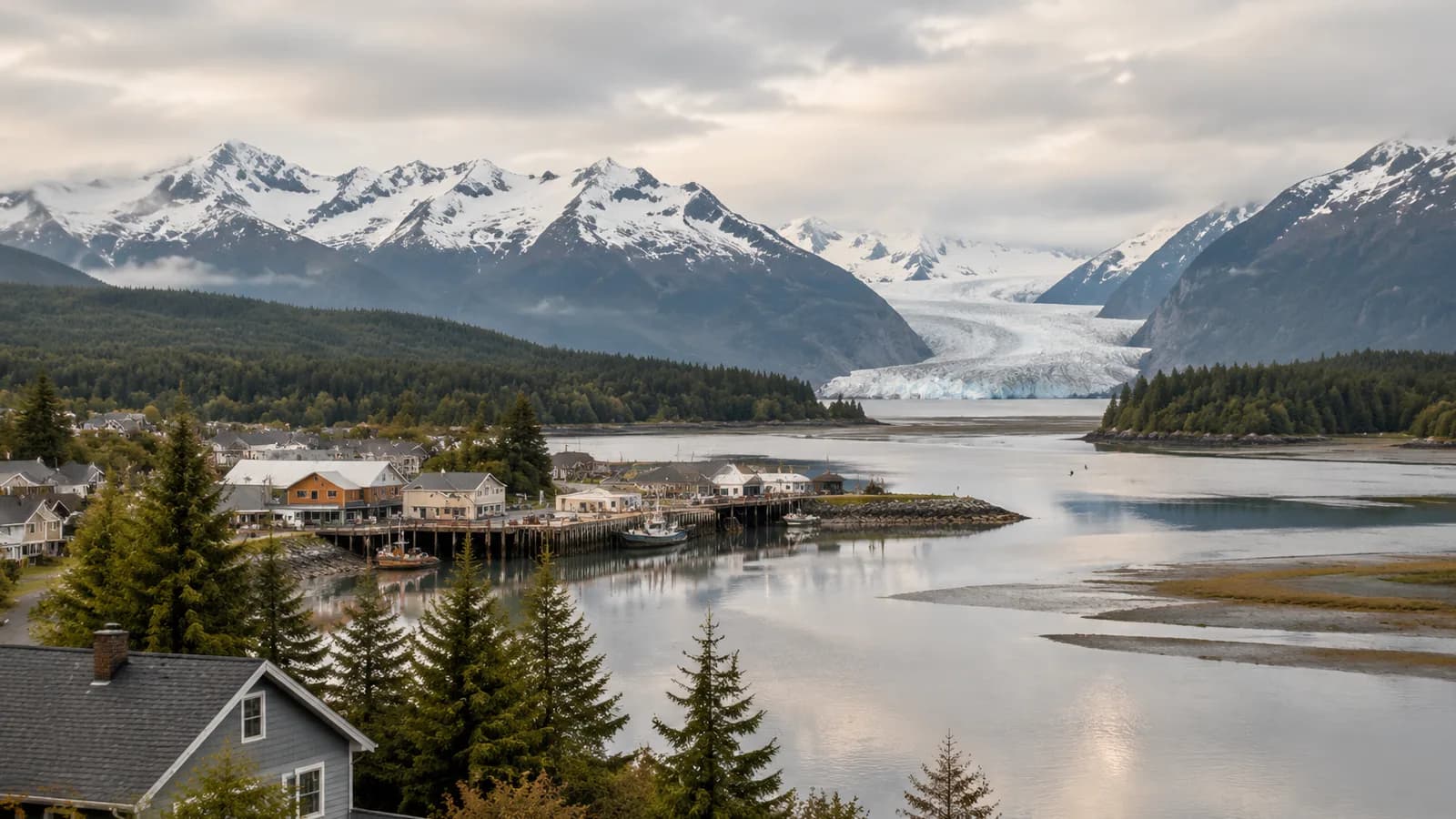
P3 Mechanical & Electrical covers Sayward and the Salmon River valley, north of Campbell River off Highway 19 and down the side road to Kelsey Bay. This is the coldest and most out-of-the-way corner of what we cover: no gas main, a long haul for anything trucked in, and a valley that holds cold air well below what the coast a few kilometres away is seeing. Work here gets planned around that, with equipment sized for the real winter and servicing booked in spring or fall rather than left until something quits in January.
Something's not working right now?
Start here. Each one goes to the crew that handles it, and carries the one thing worth checking before we arrive.
- The furnace or heat pump won't startCheck the power switch that looks like an ordinary light switch, near the unit or at the top of the basement stairs.
- No hot water, or water where it shouldn't beShut the water off at the main if you can reach it, and stay clear of any leak near wiring or a panel.
- The house won't cool, or the air is staleCheck the filter first: a clogged one chokes airflow long before the equipment itself fails.
Not sure which one it is? Describe it on the phone and we'll work it out: +1-250-824-7363
A valley village, a logging bay, and no ductwork anywhere
Sayward is really two places: the village down toward Kelsey Bay, and the properties strung along the valley road and out over the Salmon River flats. The housing reflects how the place was built — logging-era houses, cabins that grew into year-round homes, manufactured homes, newer builds on acreage. Almost none of it has ductwork, and most has been heated by wood, oil and baseboards for decades.
That mix is why distribution takes as much thought as equipment. A single ductless head in a hallway will not heat a house with three closed bedrooms off it; a multi-head system or a ducted air handler will. Trees are the other constant: needles, cones and branches pack into an outdoor coil until the airflow chokes, so placement matters more than it does in town — clear of the drip line, raised off ground level, somewhere a hose can reach.
A real winter, and what a storm takes with it
The valley runs colder than the water does. Cold air drains off the mountains and settles along the Salmon River, and there are mornings when Sayward is well below what Campbell River is reporting. Equipment gets picked for that rather than for an Island average: a cold-climate heat pump that holds its output as the temperature drops, sized with the coldest days in mind.
Snow and wind on Highway 19 are the other half of it. Storms take the power down as well, and when they do the heat pump, the furnace fan and the well pump all stop together — which is why a wood stove that keeps working without electricity belongs in the plan here rather than in a project for later. What matters on the worst morning of the year is what is still running, not what is rated best on a mild one.
What decides the job in Sayward
- Village or regional district
- The Village of Sayward and the Strathcona Regional District split the paperwork depending on which side of the boundary a property sits, and it is worth settling which applies before anything is ordered. We handle the permit and book the inspection as part of the work.
- Oil and propane by truck
- There is no natural gas in the Sayward Valley. Oil and propane arrive by truck, and wood is a primary heat source rather than a romantic extra, so electricity is the fuel already on site — which is why a heat pump, turning one unit of it into several units of heat, changes the arithmetic more here than it does in town.
- Rebates, worked per house
- Rebates for coming off oil, propane or baseboards run through CleanBC Better Homes and BC Hydro. Eligibility depends on household income and the equipment chosen, so there is no single figure to quote, and we fill in the applications alongside the installation.
- One road in
- Sayward is a long way off Highway 19, down the side road toward Kelsey Bay, so sizing, equipment and permits get settled before anything comes north and annual servicing is booked for spring or fall rather than left until something quits in January. Wells and septic are the norm outside the village core, which brings the pump and the pressure tank into the same visit as the heating job.
Why homeowners here choose P3
- Cold-climate equipment sized for a valley that runs colder than the coast
- Outdoor units placed clear of needles, cones and snow load
- Well pump and pressure tank handled on the same visit as the heating
- Village of Sayward and Strathcona Regional District permits settled before the drive north
What happens after you call
You call, or send the form. We ask what the equipment is, how old it is and what it is doing now — enough to tell a repair from a replacement before anybody drives anywhere.
We look at the job. Some things are settled on the phone; anything that touches ductwork, venting, a gas line or a water line gets looked at on site, because guessing at those from a description is how a quote goes wrong.
You get the scope and the price in writing, with the equipment named, so it can be read next to somebody else’s quote line for line. The estimate itself is free, and it follows the visit rather than the phone call.
Where the work needs a permit — furnaces, heat pumps, gas, plumbing — we pull it and book the inspection as part of the job, rather than handing you a form at the end.
Frequently asked questions
What holds up best for heating a house in the Sayward Valley?
A cold-climate heat pump, usually with a backup alongside it. Sayward gets colder than most of the Island because cold air pools in the valley, so equipment rated to keep producing heat at low temperatures matters here in a way it does not further south. With no gas main and everything else arriving by truck, electricity is the fuel already on site, and a heat pump stretches it much further than baseboards do. Plenty of households keep the wood stove as well, which is a reasonable plan rather than a compromise.
Do you actually come this far north?
Sayward and the valley are in the area we cover, along with Kelsey Bay. Because it is a long way off Highway 19, the measuring, sizing and ordering happen before anyone heads up, so the visit is spent on the work rather than on working out what is needed. It is also why we push servicing into spring or fall here: that is the difference between a planned trip and a trip in a snowstorm.
My house is surrounded by trees. Where should the outdoor unit go?
Clear of the drip line, up off the ground, and somewhere you can get a hose to it. Needles, cones and storm debris pack into an outdoor coil and choke the airflow, and around Sayward there is more of that than almost anywhere else we work. A raised stand keeps the unit out of snow and leaf litter, a clear metre or so around it keeps air moving, and clearing the coil a couple of times a year does more for running costs than anything you can adjust on a thermostat.
Is it worth replacing an old oil furnace or wood stove out here?
Often, and there is help with it. CleanBC Better Homes and BC Hydro run programs for households moving off oil, propane and electric resistance heat, and a lot of the housing in the Sayward Valley is exactly that. What you qualify for depends on your household income and the equipment installed rather than on a fixed figure. If the wood stove is a genuine backup for outages, keeping it while adding a heat pump usually beats taking it out.
What happens when the power goes out up here?
It is a real consideration this far up the line. A heat pump, a furnace fan and a well pump all stop the moment the power does, so what carries a house through a Sayward outage is whatever burns fuel without needing a circuit — in practice, the wood stove. Keeping it serviceable is worth more here than any thermostat setting: a swept chimney and a covered woodpile are what make a three-day February outage uncomfortable rather than serious. The heat pump is then specified for the winter you actually get, stove included.
Nearby areas we also serve
Ready to book a technician?
Call now, or send us the details online and we'll follow up.