
How to Choose an HVAC Service Provider: A Seven-Step Guide
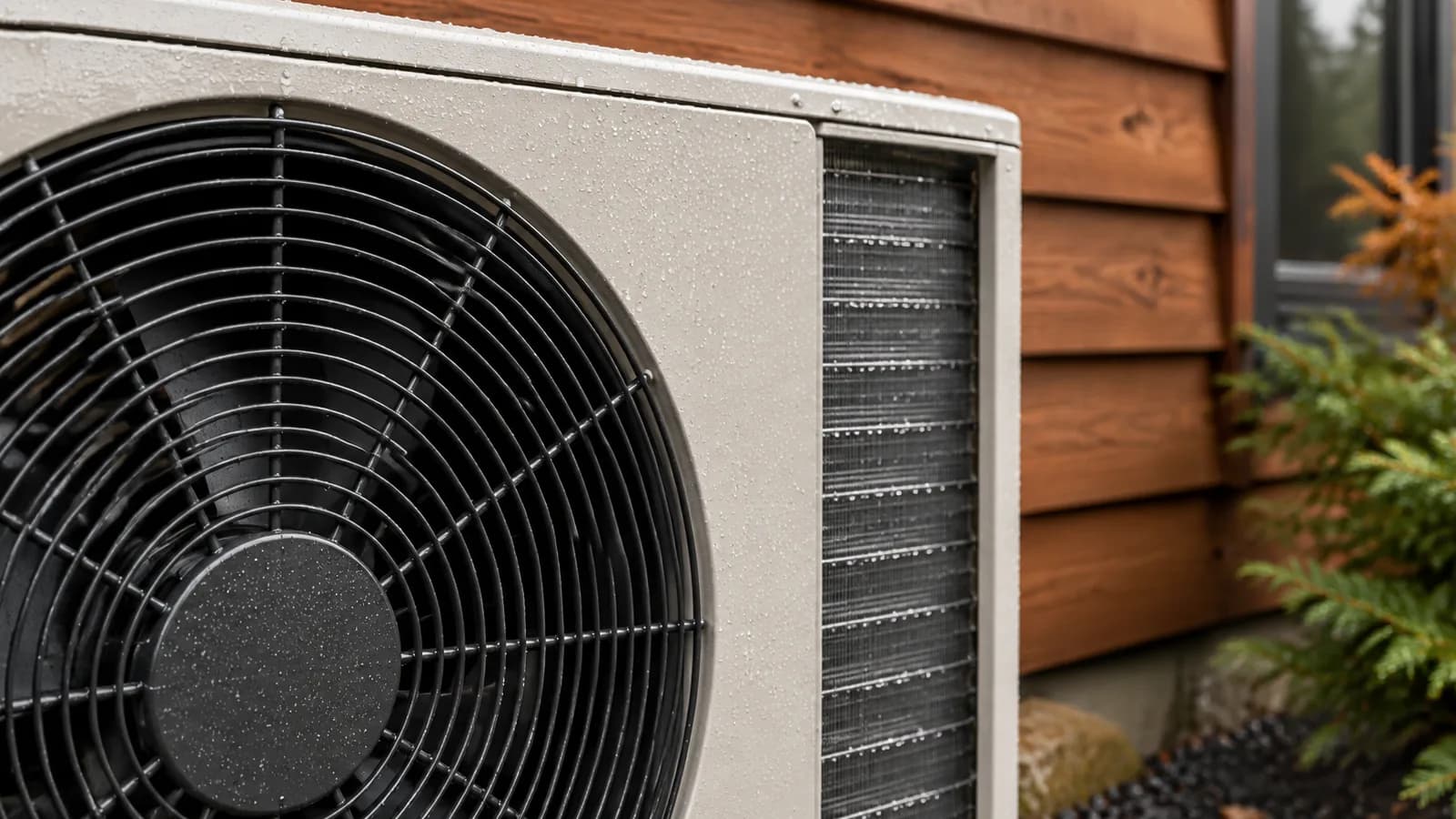
Choosing an HVAC service provider is seven checks: licensing for the specific work, reviews read rather than counted, experience with your type of system, three written estimates from site visits, how the company communicates before the sale, a contract with warranty terms in it, and local knowledge of coastal conditions. Done in that order on Vancouver Island, the shortlist narrows itself long before anyone quotes a price.
Choose before the system quits
Most people choose an HVAC contractor on the worst possible day. The heat is out, it is February, and whoever answers the phone first gets the job. That is how households overpay for a repair they did not need, or replace a system that had years left in it. Twenty minutes of work while the equipment is still running turns that emergency into a phone call to a company you already chose.
Start with your own system: type — furnace, heat pump, ductless, boiler — approximate age, and the brand and model from the data plate on the cabinet. A contractor who asks for that before talking about price is doing the job properly. One who quotes a replacement over the phone without it has decided what to sell before seeing what you own.
The seven steps, in order
- Verify licensing and insurance for the specific work, not the company in general.
- Read recent reviews for repeated patterns rather than for the star average.
- Check experience with your equipment type, not with HVAC broadly.
- Get three written, itemized estimates, each from an actual site visit.
- Judge communication before you buy — it predicts what happens when something goes wrong.
- Get a written contract with warranty terms, timeline, and payment schedule.
- Prefer a contractor who plans around coastal conditions and can source parts on-Island.
Step 1: credentials you can actually verify
"Licensed and insured" appears on every contractor website in the country, which is exactly why it means nothing on its own. The useful version is specific. In British Columbia, gas work requires a licensed gas contractor and a certified gas fitter; Technical Safety BC regulates both and can confirm a licence is current. Refrigeration and plumbing carry separate trade qualifications. Ask which one covers your job and who on the crew holds it.
Technician certifications such as NATE are voluntary in Canada. They are a reasonable signal that a company invests in training, and worth asking about, but they sit alongside the provincial licence rather than replacing it — a certificate on the wall is not a substitute for the credential the province requires. Insurance is two things: general liability for damage to your property, and WorkSafeBC coverage for the crew working on it. Ask for a current certificate of the first, and confirm the second is active, before work starts.
Steps 2 and 3: reviews, and the right kind of experience
Read the most recent reviews first, and read them for specifics: arrival on time, the final bill matching the estimate, whether the fix actually held. A handful of detailed reviews describing your kind of job tells you more than a high average across hundreds. Pay attention to how the company replies to complaints — that is a preview of the behaviour you get if something goes wrong on your job. Then call one or two recent customers if the contractor will provide them, and ask the only three questions that matter: did it finish on time, did the price hold, would you hire them again?
Then match the contractor to the equipment. A crew that replaces gas furnaces every week is not automatically fluent in cold-climate heat pumps, multi-head ductless systems, or hydronic boilers — those are different diagnostic habits and different failure modes. Ask how many systems like yours they installed or serviced in the past year, and whether anyone has manufacturer training on the brand you own or are considering. Older houses with improvised ductwork or a mixed heating history need that experience more, not less.
Step 4: compare estimates, not prices
Collect three estimates, all from someone who has physically seen the system. A usable estimate itemizes labour, equipment and parts by model, permits, disposal of the old unit, and the timeline, and it states what the warranty covers — one year on parts and labour for a repair, and five to ten years of manufacturer coverage on new equipment, is the range usually quoted, so ask for the parts term and the labour term separately rather than accepting one number for both.
Ask the questions that move a price after the fact. Is there a diagnostic or trip fee, and is it credited toward the repair if you go ahead? Are after-hours or weekend calls billed differently? What happens if the crew finds something once the unit is open — is there a change-order process, or does the invoice simply arrive larger? Rebates belong in the same conversation: which programs the job qualifies for, and whether the contractor files the applications or leaves them with you, changes what the work costs in the end.
The lowest estimate is information, not a bargain. Something in it is smaller than in the others — the equipment, the scope, the crew, or the allowance for surprises. Ask the low bidder what the others included that they did not. A real answer describes a genuine difference in approach; a vague one tells you the number will move later.
Steps 5 and 6: communication and the written contract
How a company behaves before it has your money is the cheapest preview available of how it behaves after. Do they return calls the same day? Does the technician explain the diagnosis in terms you can follow, and show you what they found? Does the written estimate arrive when they said it would? Pressure to decide immediately, a list of major problems with no evidence shown, and a replacement recommendation that arrives before any measurement are all reasons to keep looking.
Before work starts, get a contract that covers the scope, the total price and payment schedule, start and completion dates, warranty terms for parts and for labour, and your cancellation rights. Read it rather than skimming it; a contractor worth hiring will not rush you through that. If a maintenance plan is offered, read what each visit actually includes and how often it happens — the value is entirely in what gets inspected, not in the discount attached to it. Check whether documented annual service is required to keep the equipment warranty valid, because many manufacturers make it a condition.
Step 7: what "local" means on the coast
On Vancouver Island, local experience is a technical qualification rather than a nice-to-have. Salt air corrodes outdoor coils and fasteners faster than inland air, humidity keeps surfaces wet long enough for that corrosion to keep working, and mild damp winters make heat pumps behave differently here than in the parts of Canada most sizing habits were formed in. A contractor who works here specifies coated coils and corrosion-resistant hardware as a matter of course, and mounts outdoor equipment clear of wet ground.
Two practical questions separate contractors quickly. Does the company perform a heat-loss calculation for new equipment, or does it size the replacement by matching the old unit? The first decides whether the system runs efficiently for its entire life; the second is how oversized, short-cycling systems get installed. And are parts for your equipment stocked on-Island, or ordered from the mainland? That answer decides how long you sit without heat when something fails in January.
Frequently asked questions
What should I look for in an HVAC company?
Licensing for the specific work, current liability and WorkSafeBC insurance, real experience with your system type, and a written itemized estimate that came from someone who looked at the equipment. Beyond the paperwork, look at behaviour: prompt replies, a diagnosis explained in plain language, and no pressure to decide today. A company that answers questions patiently before it has your money usually does the same afterwards.
How do I check an HVAC contractor’s licence in BC?
Gas work in British Columbia requires a licensed gas contractor and a certified gas fitter, both regulated by Technical Safety BC, and licence status can be checked with the regulator rather than taken on trust. Refrigeration and plumbing carry their own trade qualifications. Ask which certification covers your particular job and who on the crew holds it — vague answers here are the answer.
What should I ask before hiring an HVAC contractor?
How many systems like yours they have worked on in the past year, whether they run a heat-loss calculation before sizing new equipment, what the estimate includes and excludes, whether there is a diagnostic or trip fee and if it is credited against the repair, what the warranty covers on parts and on labour separately, and how after-hours calls are handled. Ask for the estimate in writing before any work starts.
How do I find a good HVAC company near me?
Start with recent reviews on Google and read them for repeated specifics rather than for the star average, then ask neighbours who have had the same kind of work done. On Vancouver Island, weight local experience heavily: salt air, damp winters, and the mix of heat pumps and older oil or electric systems here are not what a mainland crew plans around. Confirm the company has a real service address in the region and stocks parts on-Island.
Where we offer this
Ready to get it fixed?
Call now, or send us the details online and we'll follow up.