
HVAC Maintenance Program Benefits in Nanaimo
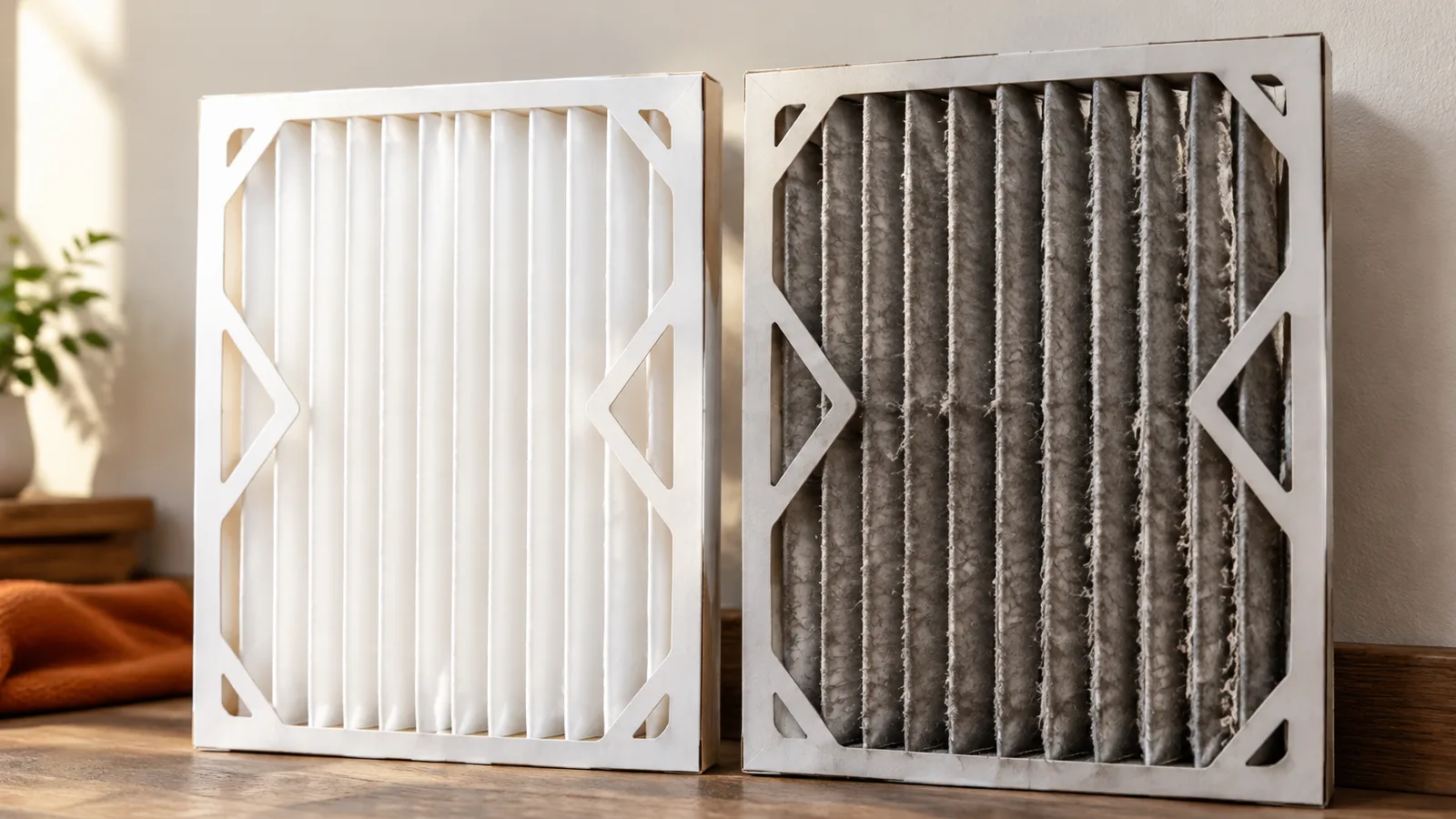
An HVAC maintenance program is a service agreement with a schedule attached: instead of calling a technician once the furnace has stopped, you book planned seasonal visits that catch wear before it becomes a breakdown. The case for one is stronger in Nanaimo than in most of Canada, because salt air, year-round damp, and a heating season running from October into April put more corrosion and more running hours on the same equipment.
What a maintenance program actually is
A maintenance program is a service agreement with a calendar attached. The usual shape is two visits a year — one in the fall, before the furnace or heat pump has to carry the house through winter, and one in the spring, before the cooling side gets used — together with some combination of priority scheduling and reduced rates on work between visits. Nothing in it is work that could not be booked one visit at a time.
What the program buys is that the visits actually happen, and that distinction matters more than it sounds. Almost every homeowner intends to have the heating looked at before winter, and almost nobody phones in September. The failure mode of preventative maintenance is not that it does not work; it is that it does not get booked.
Why the coast is harder on equipment
Salt air is the specific local problem. Outdoor heat pump and air conditioner coils, cabinet fasteners, and exposed copper corrode noticeably faster within a few kilometres of the Strait of Georgia than they do inland, and corrosion on a condenser coil shows up as lost capacity long before it shows up as a failure. Nobody notices a system quietly losing efficiency; they notice the bill. A visit here has to look for that deliberately rather than as an afterthought.
The second factor is running hours. Island winters are mild, which makes people assume equipment has an easy life here, but mild and long means the system runs from roughly October into April — and a heat pump doing both jobs runs most of the year. Humidity adds condensate that has to drain somewhere, and a blocked condensate line is one of the most common reasons an otherwise healthy system shuts itself down in the middle of a season.
What a seasonal tune-up covers
- Filter replacement or cleaning, and a check of airflow through the system
- Refrigerant pressure and coil condition on heat pumps and air conditioners
- Heat exchanger, ignition, and safety control checks on a gas or oil furnace
- Electrical connections tightened, and blower and motor operation checked under load
- Condensate drain cleared, and the outdoor unit checked for salt-air corrosion
- Thermostat calibration and a test run through a full heating or cooling cycle
- A written summary of what was found, including anything worth watching before next season
What it changes over the life of the equipment
The clearest benefit is the one that is hardest to photograph: the breakdowns that do not happen. Most furnace failures are not sudden. A flame sensor gets dirty, an igniter weakens, a capacitor drifts out of spec, a filter starves the blower — and each of those is visible during a routine inspection weeks or months before it leaves a house cold. Dealing with them on a scheduled visit is cheaper and calmer than dealing with them the moment they choose, which is invariably the worst one.
Efficiency is the second. A clogged filter, a dirty coil, or a refrigerant charge that has drifted all make the same system consume more energy for the same comfort, and none of them announces itself. The house still gets warm; it just costs more to get there. Cleaning and adjusting equipment back to specification lowers running costs, which is why maintenance and a lower utility bill usually turn out to be the same conversation.
Lifespan is the third and the slowest to show. Bearings that stay clean and lubricated, coils that are not caked, and electrical connections that stay tight all wear at a slower rate, and a system inspected every year generally reaches the top of its expected service life instead of the bottom of it. On equipment that costs thousands of dollars to replace, buying years at the end is where the arithmetic on maintenance usually settles. Most manufacturers also expect at least one tune-up a year to keep the parts warranty valid, which is worth checking before skipping a season.
What you can do between visits
- Change or wash the filter on schedule — monthly through the heating season on a cheap filter, less often on a deep pleated one
- Keep the outdoor unit clear of leaves, cedar debris, and anything stacked against it for the winter
- Rinse the outdoor coil gently with a garden hose if the house is within sight of salt water
- Check that supply and return vents are not blocked by furniture, rugs, or curtains
- Replace thermostat batteries before the heating season rather than during it
And what needs a technician
The line between those tasks and the rest is not difficulty, it is equipment and consequence. Refrigerant work requires gauges and certification. A heat exchanger inspection is a safety check, not a look. Electrical testing, combustion analysis, and airflow measurement all need instruments to produce a number rather than an impression, and the value of a professional visit is mostly in the diagnosis — knowing what a healthy reading looks like on this make of equipment, at this age, in this climate.
How to compare programs before you sign
Programs differ more than they look from the outside. Ask how many visits are included and whether both the heating and the cooling side are covered. Ask what happens when a repair is needed between visits, and how it is priced. Ask whether you can cancel without a penalty. And ask what you receive in writing after each visit — a report that records readings against last year is what makes the next technician faster and the equipment’s condition arguable when you sell the house.
For our own program: plans are annual, semi-annual, or a schedule built around your equipment, so a house with one ductless head and a house with a furnace, a heat pump, and a tank are not on the same schedule by default. Between visits we respond to service requests within 24 hours — a reply inside a day, which is a narrower promise than a guaranteed arrival time and worth telling the two apart whoever you end up asking. And repairs booked outside the scheduled visits are billed at a member rate on parts and labour. What it costs depends on the equipment involved, so it is quoted after a visit rather than listed — the same way commercial maintenance contracts are scoped per site after a walkthrough. The visit that produces the estimate is free.
Frequently asked questions
How often should my furnace or heat pump be serviced in Nanaimo?
Twice a year is the schedule most systems here settle on: a fall visit before the heating season and a spring visit before the cooling side gets used. A newer system in good condition can often manage on one annual tune-up, but a heat pump that both heats and cools runs most of the year on the coast, and older equipment benefits from being looked at twice.
What's included in an HVAC tune-up?
A full check of the equipment rather than a filter swap: filter and airflow, refrigerant pressure and coil condition, heat exchanger and ignition on a furnace, electrical connections, the condensate drain, and thermostat calibration — followed by a test run through a complete cycle and a written summary of anything found.
Can maintenance really stop a furnace from failing mid-winter?
Not every failure, but most of the common ones. A dirty flame sensor, a weakening igniter, a filter starving the blower, or a capacitor drifting out of spec are all visible during a routine inspection well before they leave a house without heat, which is the difference between a repair you schedule and one you do not.
Does salt air really matter for HVAC equipment here?
Yes, and it is the main thing that makes coastal maintenance different from inland maintenance. Outdoor coils, fasteners, and exposed copper corrode faster near the Strait of Georgia, and a corroded condenser coil loses capacity long before it fails outright, so anyone servicing equipment on this coast should be checking for it at every visit rather than when something breaks.
Do you have a maintenance plan, and what does it cost?
Yes — our plans are annual, semi-annual, or a schedule built around your equipment. What it costs depends on the type of system and how many pieces of equipment the visit covers, so we quote it after an in-home visit rather than listing a price, and the estimate is free. Between scheduled visits, we respond to service requests within 24 hours. On top of that, repairs booked outside the scheduled visits are billed at a member rate on parts and labour.
Is a maintenance program worth it on an older system?
Usually more so than on a new one. An older furnace or heat pump is the one most likely to fail at the worst moment, and a regular inspection either buys it more years or gives you enough warning to plan a replacement — rather than making that decision on the coldest week of the year with no time to compare quotes.
Where we offer this
Ready to get it fixed?
Call now, or send us the details online and we'll follow up.