
Heat Pumps & HVAC in Bowser and Lighthouse Country
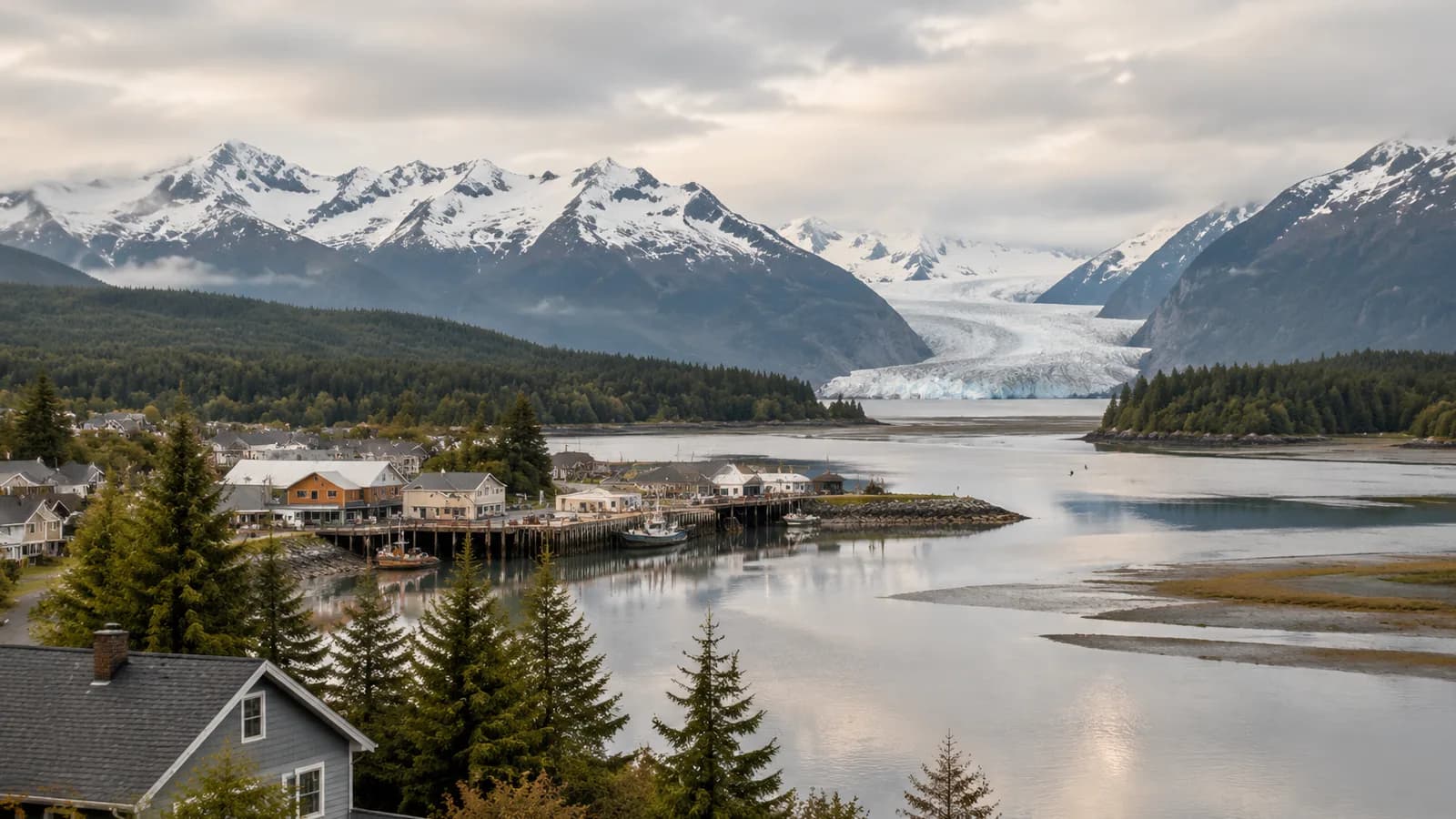
P3 Mechanical & Electrical covers Bowser and the rest of Lighthouse Country, from the waterfront lots along Highway 19A and Deep Bay back to the wooded acreages off the highway. Almost everything here is unincorporated, on a well and a septic field, and close enough to Baynes Sound to sit in salt air year-round. That combination — rural services, coastal exposure, and a lot of part-time owners — is what shapes the work we do out here.
Something's not working right now?
Start here. Each one goes to the crew that handles it, and carries the one thing worth checking before we arrive.
- The furnace or heat pump won't startCheck the power switch that looks like an ordinary light switch, near the unit or at the top of the basement stairs.
- No hot water, or water where it shouldn't beShut the water off at the main if you can reach it, and stay clear of any leak near wiring or a panel.
- The house won't cool, or the air is staleCheck the filter first: a clogged one chokes airflow long before the equipment itself fails.
Not sure which one it is? Describe it on the phone and we'll work it out: +1-250-824-7363
Bowser, Deep Bay, and the rest of Lighthouse Country
The strip running from Qualicum Bay up through Bowser to Deep Bay is a mix nobody would design on purpose: original cottages upgraded a decade at a time, retirement houses built for the view, working acreages set back in the trees, and vacation properties dark from October to April. Heating follows the same pattern — electric baseboards everywhere, a wood stove doing the real work in a lot of houses, the occasional oil tank still in a crawlspace, and delivered propane wherever no gas main reaches.
Services are rural. Most properties here draw from a well or a small community system rather than a municipal utility, and everything goes to a septic field. Heating work and plumbing work therefore run into each other constantly: a hot water tank decision is also a well pump and water-chemistry decision, and mineral content a town treatment plant would have handled instead ends up in fixtures, tanks, and tankless heat exchangers.
Salt off Baynes Sound, and winters with the power out
Baynes Sound is narrow, and houses on the water side of Highway 19A take salt spray and salt-laden air directly. It settles on the coil fins and the electrical components of an outdoor unit and works on them continuously, which is why coastal-rated, coated equipment and a maintenance visit that rinses the coil are worth specifying from the start. Where the lot allows, we site the unit out of the prevailing spray rather than on the most convenient wall.
Winter here is wet and windy rather than deeply cold, and this stretch of coast loses power in a storm often enough that people plan around it — worth thinking about before a house goes all-electric, and a reason an existing wood stove is often kept as backup. Damp is the other constant: crawlspaces under older cottages, and tight newer builds where an HRV is the difference between fresh air and condensation on the windows.
What decides the job in Bowser
- No municipal hall here
- Bowser, Deep Bay, and Qualicum Bay are unincorporated: there is no municipal building department to apply to, and mechanical work is permitted by the Regional District of Nanaimo. We file with them and book the inspection as part of the job.
- No gas main, oil left over
- Nothing between Qualicum Bay and Deep Bay is on a gas main, so heat comes from electricity, a wood stove, or propane delivered by truck. Where an old oil tank is still sitting in the crawlspace, decommissioning it is its own piece of work and is worth planning into the same project rather than deferring.
- Rebates when you switch
- Leaving baseboards, oil, or an aging fossil-fuel system behind is what the CleanBC Better Homes and BC Hydro programs exist for. What you receive depends on the household’s income and on the system that goes in, so we review the terms in force with you and complete the application.
- Empty half the year
- A great many houses between Qualicum Bay and Deep Bay sit dark from October to April, so the system has to look after itself: a low setback temperature rather than the heat switched off, and a thermostat you can read from wherever you are. In a building nobody is airing out, humidity matters as much as temperature.
Why homeowners here choose P3
- Coastal-rated equipment for Highway 19A and Deep Bay waterfront properties
- Heating and plumbing handled together on well and septic properties
- Remote thermostats and freeze protection for seasonal and rental homes
- Permits through the Regional District of Nanaimo, inspection booked with it
What happens after you call
You call, or send the form. We ask what the equipment is, how old it is and what it is doing now — enough to tell a repair from a replacement before anybody drives anywhere.
We look at the job. Some things are settled on the phone; anything that touches ductwork, venting, a gas line or a water line gets looked at on site, because guessing at those from a description is how a quote goes wrong.
You get the scope and the price in writing, with the equipment named, so it can be read next to somebody else’s quote line for line. The estimate itself is free, and it follows the visit rather than the phone call.
Where the work needs a permit — furnaces, heat pumps, gas, plumbing — we pull it and book the inspection as part of the job, rather than handing you a form at the end.
Frequently asked questions
What heats a Bowser house best when it sits this close to the water?
For the damp winters and warm summers of Lighthouse Country, a heat pump is the efficient choice, and it gives you cooling for the handful of hot weeks without a second piece of equipment. Because so many homes here sit right on Baynes Sound or a block off Highway 19A, the model matters as much as the type: we specify units built with anti-corrosion coatings for coastal exposure rather than a standard inland cabinet.
Does living on the ocean mean extra maintenance?
Yes, and it is straightforward maintenance rather than anything exotic. Salt residue builds up on the outdoor coil and around the electrical components, so an annual visit that washes the coil down and inspects the contacts and the cabinet catches corrosion while it is still cosmetic. Skipping it on a waterfront property is how a unit that should age normally starts rusting early.
The place is empty half the year. Can I manage the heat from somewhere else?
You can. Bowser has a lot of seasonal residents, snowbirds, and vacation rentals, and a Wi-Fi thermostat lets you watch indoor temperature and humidity from your phone and raise the heat before you arrive. Leave it holding a low setback temperature rather than switching it off — that is what keeps the pipes from freezing during a storm and keeps a closed-up house from going damp over the winter.
We're on a well. Does that change anything for the plumbing or the hot water tank?
It changes quite a lot. Well water out here varies property to property in pressure and in mineral content, and both affect what hot water equipment is appropriate — scale is hard on tank elements and harder on tankless heat exchangers. The well pump and pressure tank are part of the same system, so we look at water quality and pressure before recommending a hot water setup rather than fitting whatever went into the last house.
Is there a rebate for dropping the oil tank or the baseboards?
Yes. CleanBC Better Homes and BC Hydro both run programs for replacing electric baseboards, an old oil system, or another aging fossil-fuel appliance with a high-efficiency heat pump. What you qualify for depends on your household income tier and the equipment installed, so it is worth confirming the current terms before you commit. We review them with you and fill out the application as part of the installation.
There's no city hall out here. Who issues the permit?
The Regional District of Nanaimo. Bowser, Deep Bay, and Qualicum Bay are unincorporated, so permitting for heat pump and furnace work runs through the regional district instead of a municipal building department. We pull the permit and book the inspection as part of the job, so it is not something you need to organize.
Nearby areas we also serve
Ready to book a technician?
Call now, or send us the details online and we'll follow up.