
Heating & Plumbing Services in Fanny Bay, BC
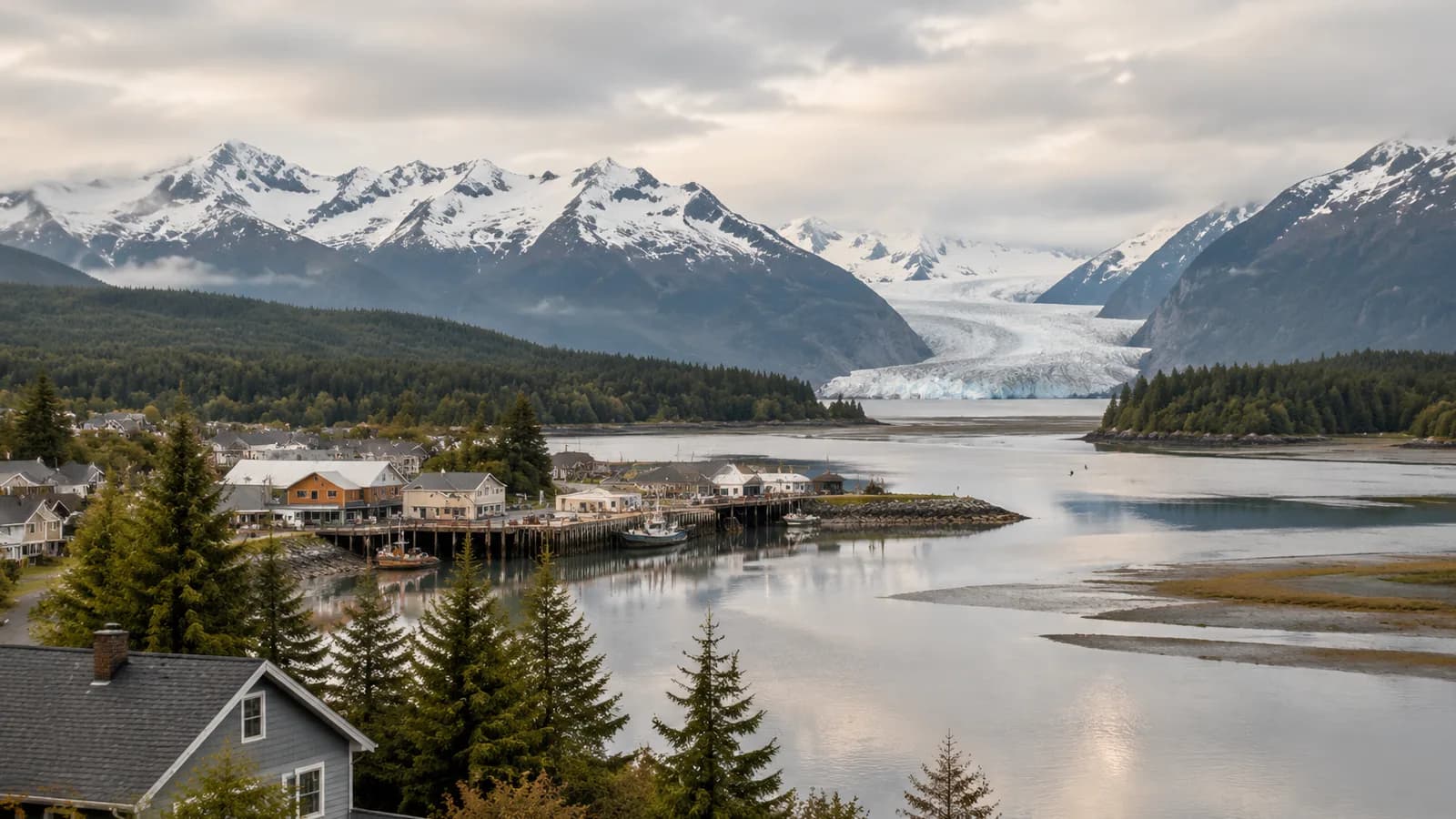
P3 Mechanical & Electrical covers Fanny Bay, the shoreline and forested acreage on both sides of Highway 19A around Ships Point and Rosewall Creek. Almost everything here is rural — wells, septic fields, long driveways, and power that arrives down a tree-lined line. Heating is electric, propane, or wood rather than a gas main, and that one fact shapes most of what is worth installing.
Something's not working right now?
Start here. Each one goes to the crew that handles it, and carries the one thing worth checking before we arrive.
- The furnace or heat pump won't startCheck the power switch that looks like an ordinary light switch, near the unit or at the top of the basement stairs.
- No hot water, or water where it shouldn't beShut the water off at the main if you can reach it, and stay clear of any leak near wiring or a panel.
- The house won't cool, or the air is staleCheck the filter first: a clogged one chokes airflow long before the equipment itself fails.
Not sure which one it is? Describe it on the phone and we'll work it out: +1-250-824-7363
Rural properties, rural systems
Fanny Bay is not a village with a grid of streets. It is waterfront houses, small farms, oyster leases, and forested acreage spread along the highway and up the side roads behind it. The buildings match: houses from the 1970s and 80s on well and septic, cabins that were seasonal and now are not, mobile homes on private lots, and a smaller number of newer builds with proper ductwork. Retrofits here are almost always ductless.
Well water decides more of the plumbing work than most people expect. Hardness scales a hot water tank and shortens the life of every fixture downstream, the pump and pressure tank have their own demands, and a setup that suited a summer cabin is often not sized for a household living there through the winter.
The shellfish farms along Baynes Sound are part of the picture too. A fair number of buildings here are working buildings rather than houses, with ventilation and drainage demands that are commercial in character even when they look residential from the road.
Storms, salt, and losing power
Southeast winds come straight up the Sound, and the properties facing it get salt on everything: coils, cabinets, and the electrical connections inside an outdoor unit. Coated equipment, a rinse routine, and mounting out of the direct spray line are what keep a waterfront installation alive. Skipping that on an exposed lot costs a coil.
Winter storms also take the power out along this coast, and a rural feeder with trees over it comes back more slowly than a street in town. A heat pump is only as available as the power feeding it, and on a feeder like this one that is worth saying out loud. It is why almost nobody out here gives up the appliance that burns something — the stove, or the propane heater in the shop — when a heat pump goes in, and why the heating plan is built around a winter that gets interrupted.
What decides the job in Fanny Bay
- Area A, not a city hall
- Fanny Bay is unincorporated, in Electoral Area A of the Comox Valley Regional District along with Union Bay, Buckley Bay, Denman and Hornby, so permits and inspections go through the regional district. We pull the permit; a rural address with a long driveway is worth describing to us when we do.
- Wood, propane, no gas main
- There is no gas line out here — heating is electric, propane or wood. Wood works well as the backstop for cold snaps and outages, and a heat pump alongside it uses a fraction of the electricity resistance baseboards do, provided the two are planned together rather than the pump being sized as though the stove were not there.
- Rebates and stove exchanges
- CleanBC Better Homes and BC Hydro support switching to a heat pump from propane, oil or electric baseboards, with the amount tied to household income and the equipment installed. Wood stove exchange programs also run periodically through the regional district, so it is worth confirming what is open when you go ahead.
- Cabins lived in year-round
- A good share of the buildings here were framed as summer places and are now occupied through the winter, which is where the damp complaints come from. Heat on its own does not fix that — the moisture has to leave the building — so ventilation usually belongs in the same job as the heat pump.
Why homeowners here choose P3
- Ductless retrofits for cabins, acreages, and mobile homes
- Well and septic plumbing, hard water, and pressure tanks
- Heating planned around a winter the power interrupts
- Salt-rated equipment for lots facing Baynes Sound
What happens after you call
You call, or send the form. We ask what the equipment is, how old it is and what it is doing now — enough to tell a repair from a replacement before anybody drives anywhere.
We look at the job. Some things are settled on the phone; anything that touches ductwork, venting, a gas line or a water line gets looked at on site, because guessing at those from a description is how a quote goes wrong.
You get the scope and the price in writing, with the equipment named, so it can be read next to somebody else’s quote line for line. The estimate itself is free, and it follows the visit rather than the phone call.
Where the work needs a permit — furnaces, heat pumps, gas, plumbing — we pull it and book the inspection as part of the job, rather than handing you a form at the end.
Frequently asked questions
There is no gas line out here — what actually makes sense for heating?
A heat pump, for most properties. Without a gas main the realistic options are electric baseboards, propane, wood, or a heat pump, and the heat pump delivers several times more heat per unit of electricity than baseboards while adding cooling for the summer. Wood or propane often stays as the backup for cold snaps and outages, which is a sensible arrangement as long as the heat pump is sized with that backup in mind.
We are right on the water. Will the salt air kill a new heat pump?
It will shorten its life if nothing is done about it. Salt-laden wind off Baynes Sound corrodes the aluminum fins first, then the fasteners and the electrical connections inside the cabinet. Equipment for a waterfront lot here should have marine-grade coatings, sit out of the direct spray line, and get rinsed as part of annual maintenance. That is much cheaper to specify at installation than to deal with once a coil has failed early.
Our power goes out most winters. Does a heat pump leave us stuck?
Not if you plan for it. A heat pump needs electricity like any other electric heat, so the real question is what carries the house while the line is down. Around here that is usually the wood stove, which works without a fan and without a thermostat, and it is the reason we size a Fanny Bay heat pump knowing the stove is staying rather than treating it as something to take out. If there is no burning appliance in the house at all, that is a decision worth making before the first multi-day outage rather than during one.
The cabin gets clammy and the windows drip all winter. What fixes that?
Ventilation, not more heat. Coastal rain and ocean mist keep humidity high, and an older cabin or a tightly sealed newer house has nowhere to put the moisture that cooking, showers, and drying clothes produce. An HRV exhausts the damp air and brings fresh air in while keeping most of the heat, and it handles wildfire smoke in late summer as well. In a small building, a properly sized bath fan on a timer does a surprising amount of that work on its own.
Is there a rebate for getting off propane or an old wood stove?
There are programs for it. CleanBC Better Homes and BC Hydro support switching to a heat pump from propane, oil, or electric baseboards, and the amount is tied to household income and the equipment installed rather than being a fixed figure. Wood stove exchange programs also run periodically through the regional district. Confirm what is open at the time you go ahead, and we complete the application with the job.
Nearby areas we also serve
Ready to book a technician?
Call now, or send us the details online and we'll follow up.